Cart
1

Last Updated: November 7, 2026
Quick Summary
A wellness lifestyle is worth the investment when the cost per use is low, the habit sticks, and the expected benefit is supported by good evidence. The highest-return investments are cheap, evidence-backed habits like walking, strength training, sleep, and stress management, while expensive products with weak evidence should clear a higher bar.
- A $200 piece of equipment used five times a week for a year costs about $0.77 per session.
- A $60 supplement taken daily for a month costs $2 per day.
- Multiply recurring costs by 12 before deciding, since $10 per month is $120 per year.
- Start with three anchors: movement, food, and wind-down, and protect them like meetings.
- If a product fails more than one checklist item, skip it.
Is a wellness lifestyle worth it for you?Calmpulseco curates gear and supplements for balanced, high-performance living.
Shop Wellness Essentials
Table of Contents
- The Real Question Behind a Wellness Lifestyle Investment
- What the Cost of a Healthy Lifestyle Actually Looks Like
- Are Health and Wellness Investments Worth It? A Realistic ROI View
- Low-Cost Wellness Habits That Carry the Biggest Returns
- Building a Wellness Routine for Busy Professionals
- How to Judge Wellness Products Before You Buy
- Measuring Progress Beyond the Bank Balance
- Build Your Wellness Baseline With Calmpulseco
- Frequently Asked Questions
The Real Question Behind a Wellness Lifestyle Investment
Is a wellness lifestyle worth the investment? The honest answer is that it depends on what you spend, how you spend it, and what you expect back.
Below, we break down real costs, realistic returns, and a simple decision framework. But first, here's what most guides get wrong: they treat wellness as either a luxury or a magic bullet. It is neither.
What the Cost of a Healthy Lifestyle Actually Looks Like
The cost of a healthy lifestyle varies widely, and most people overestimate the upfront price while underestimating the long-term savings. Many businesses and households find that small, consistent spending beats occasional big purchases.
Upfront Costs Versus Lifetime Costs
Upfront costs are the visible ones: gear, memberships, supplements, and equipment. Lifetime costs include what you spend over years, plus what poor health habits may cost later in medical expenses and lost energy.
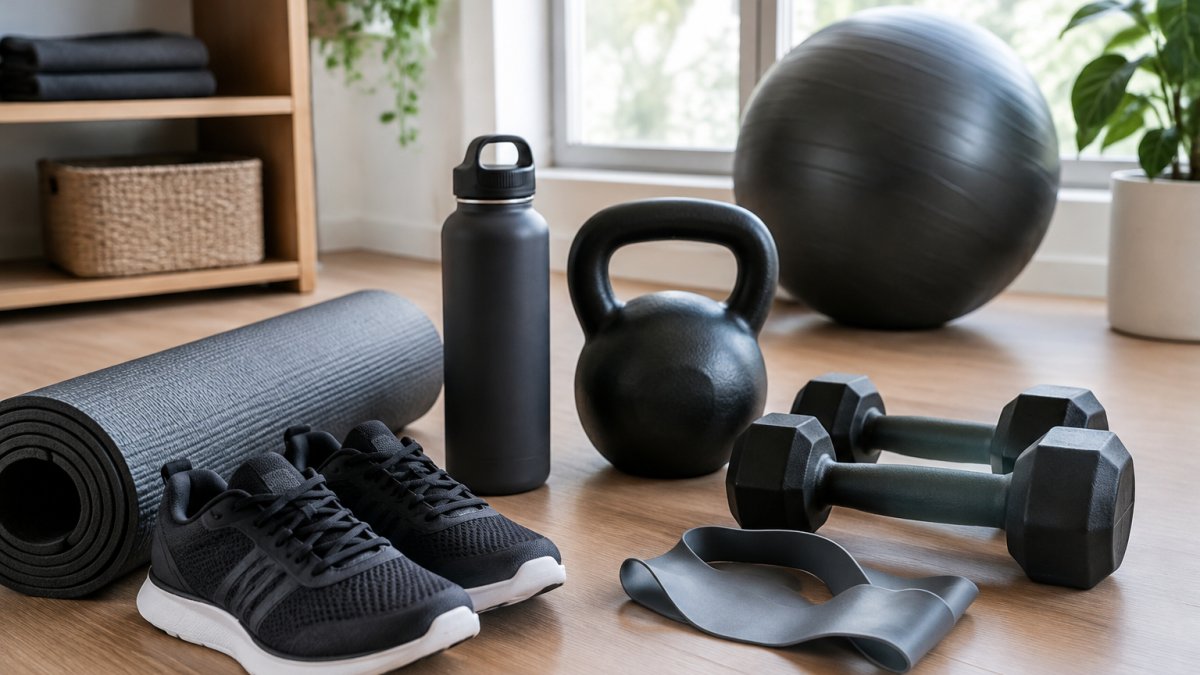
- Upfront: shoes, mat, weights, first month of a gym
- Ongoing: food quality, supplements, recovery tools, classes
- Hidden: unused subscriptions, gear that breaks, duplicate purchases
- Long-term: preventive care visits and healthier food choices
A common mistake is buying everything at once. Start with the basics and add only what you will use weekly.
Where the Money Realistically Goes
Most wellness spending falls into a few buckets: movement, nutrition, recovery, and sleep. Exercise and physical activity usually cost the least per hour of benefit. Supplements and premium gear cost more and need more scrutiny.
| Category | Typical Spend Pattern | What to Watch |
|---|---|---|
| Movement | Low to moderate | Unused memberships |
| Nutrition | Moderate | Fad products |
| Recovery | Moderate | Duplicate tools |
| Sleep | Low to moderate | Gimmicks |
Are Health and Wellness Investments Worth It? A Realistic ROI View
Health and wellness investments are worth it when the cost per use is low, the habit sticks, and the expected benefit is supported by good evidence. A realistic return-on-investment view separates well-supported benefits from speculative savings claims, explains the assumptions behind any calculation, and helps you decide where your next dollar is best spent.
A Simple ROI Framework You Can Apply
ROI for wellness is not just money back in your pocket. It is the value of better energy, sleep, mood, and long-term health weighed against the cost and the opportunity cost of that spending. A practical way to think about it is:
Expected value = (probability the benefit is real × value of the benefit to you) − (cost + time + opportunity cost)
Most practitioners find that the highest-return investments are the ones with strong evidence, low cost per use, and a high likelihood you will keep doing them. The lowest-return investments are expensive products with weak evidence, high recurring costs, or a routine you abandon after a few weeks.
What the Evidence Strongly Supports
The evidence strongly supports regular physical activity, healthy eating patterns, adequate sleep, and stress management for reducing health risks and supporting mental well-being. WHO guidance on physical activity recommends regular movement for adults of all ages.
What the evidence supports less clearly is the promise behind many premium products, from expensive recovery tools to novel supplements. For a deeper look at whether paying more is justified, read our breakdown of why premium supplements cost more.
A Transparent Example: Cost per Use and Break-Even Thinking
Instead of promising a dollar figure in future savings, use cost per use and break-even reasoning. For example, a $200 piece of equipment used five times a week for a year costs about $0.77 per session.
A common pattern is that people overestimate the benefit of expensive purchases and underestimate the benefit of free habits.
Watch out: buying a product because it is expensive, not because it fits your routine and has credible evidence, is the most common way wellness budgets leak money.
How to Weigh Opportunity Cost
Every dollar spent on wellness is a dollar not spent on emergency savings, insurance, debt repayment, or other priorities. A balanced approach is to cover the basics first, then allocate a modest, sustainable amount to wellness, and scale up only when a habit has proven it sticks. The goal is not to spend the most; it is to get the most benefit per dollar and per hour.
Low-Cost Wellness Habits That Carry the Biggest Returns
Low-cost wellness habits deliver the biggest returns because they are repeatable, require little equipment, and compound over time. Walking, strength training with body weight, consistent sleep, and stress management cost almost nothing.
- A daily 20-minute walk
- Two short strength sessions per week
- A fixed sleep and wake time
- Five minutes of breathing or meditation
- Home-brewed tea instead of a nightly takeaway
For hydration and muscle recovery during training, a simple option is Rapid Rehydr8 electrolyte capsules, which support fluid balance and cramp prevention during endurance work.

Building a Wellness Routine for Busy Professionals
A wellness routine for busy professionals works best when it fits the day you actually have, not the day you wish you had. Short, scheduled blocks beat long, unscheduled ones.

Start with three anchors: movement, food, and wind-down. Protect them like meetings. For practical steps that fit a demanding schedule, see how to manage stress as a professional and how to balance fitness and professional life.
A Budget-Tiered Plan: Starter, Steady, Supported
A budget-tiered plan lets you start small and scale only when a habit holds.
| Tier | Monthly Budget | What It Covers | Best For |
|---|---|---|---|
| Starter | Low | Walking, bodyweight, sleep routine | Beginners |
| Steady | Moderate | Basic gear, one supplement, classes | Consistent habit-holders |
| Supported | Higher | Recovery tools, coaching, premium gear | Performance goals |
Best for: anyone who wants to start today without a big outlay. Skip if: you already have a routine that works.
How to Judge Wellness Products Before You Buy
Judging wellness products comes down to a structured check: does it fit your routine, is the evidence credible, is the quality verifiable, is the total cost reasonable, and are there conflicts of interest behind the claims. Most guides stop at a simple checklist; this one gives you a method for assessing evidence, safety, recurring costs, and bias before you buy.
Step 1: Check the Evidence Quality
Separate well-supported claims from speculative ones. Ask:
- Is the claim based on human studies, or only on lab or animal research?
- Are the studies independent, or funded by the company selling the product?
- Is the effect size meaningful, or statistically significant but tiny?
- Does the product promise a specific outcome (for example, “reduces cramp frequency”) or a vague one (“supports wellness”)?
A common pattern is that products with the strongest evidence describe modest, specific benefits, while products with weak evidence use broad, emotional language. For a step-by-step method, read how to verify supplement quality and purity.
Step 2: Verify Safety and Quality
- Is the ingredient or material list complete and clear?
- Are there third-party quality checks, such as batch testing or certification?
- Are there known interactions, contraindications, or age restrictions?
- Is the dosage or usage guidance specific and realistic?
A common mistake is trusting a label claim without checking how the product is tested.
Step 3: Calculate the True Recurring Cost
- What is the upfront cost, and what is the ongoing cost per month or per use?
- Are there subscriptions, replacements, or accessories that add up?
- Will you actually use it at least weekly?
- Does it replace something you already own, or duplicate it?
A $10 per month subscription sounds small, but it is $120 per year. Multiply recurring costs by 12 before you decide.
Step 4: Look for Conflicts of Interest
- Is the reviewer or seller also the manufacturer?
- Are there affiliate incentives behind the recommendation?
- Does the product have independent reviews, or only promotional ones?
Watch out: a recommendation from someone who earns a commission on the sale is not the same as independent evidence. Look for sources that disclose their incentives.
A Practical Checklist
- Will I use this at least weekly?
- Is the evidence based on human studies and meaningful outcomes?
- Is the ingredient or material list clear and complete?
- Are there independent quality checks?
- Is the total recurring cost reasonable for my budget?
- Does it replace something I already own, or add a new burden?
- Are there disclosed conflicts of interest behind the claims?
If a product fails more than one of these checks, skip it. The best wellness purchases are the ones that pass the evidence, safety, cost, and bias tests and fit a routine you will actually keep.
Measuring Progress Beyond the Bank Balance
Progress shows up in energy, sleep quality, mood, and daily functioning long before it shows up in a bank account. Track those first.
- Energy through the afternoon
- Sleep onset and wake feeling
- Mood and stress levels
- Strength or stamina gains
- Days per week you moved
Medical expenses and long-term savings matter, but they are slow signals. Use the fast ones to decide whether a wellness lifestyle is working for you.
Build Your Wellness Baseline With Calmpulseco
The real challenge is not knowing what to buy. It is building a routine you will actually keep, at a cost you can defend.
Calmpulseco curates tools for high-performance living and mindful balance, from technical activewear to recovery supplements and relaxation aids. Our selection is built to help you find your own rhythm, support every session with comfort, and guide you toward deeper focus.
Get started with Calmpulseco and build a wellness baseline that earns its place in your budget.
Frequently Asked Questions
Is investing in a healthy lifestyle actually worth it?
For most people, yes, but not evenly across every category. The strongest returns come from low-cost basics: regular physical activity, sleep, stress management, and home-cooked nutrition. Where a wellness lifestyle gets expensive is in gear and supplements, and those deserve more scrutiny. A practical test is to ask whether a purchase removes a specific barrier, such as a mat that makes floor workouts possible at home or electrolytes that support hydration during endurance training. If it does, the cost is easier to justify than a product that only promises a feeling.
What does the cost of a healthy lifestyle look like month to month?
It varies widely by tier. A starter approach built on walking, bodyweight exercise, sleep consistency, and home-prepared meals can cost very little beyond your normal food budget. A steady tier adds durable equipment and a few targeted supplements. A supported tier adds classes, coaching, or premium gear. The trap is buying the supported tier before the habits exist. Start low, prove the routine holds for a month, then add one paid item at a time so each cost maps to a habit you already keep.
How can busy professionals prioritize wellness on a budget?
Attach wellness to things already in your day. A ten-minute walk after meetings, a caffeine-free tea in place of an afternoon coffee, and a fixed wind-down time cost little and require no scheduling overhaul. For a wellness routine for busy professionals, the deciding factor is friction: keep the mat unrolled, the kettle within reach, and the supplements where you will see them. Buy equipment once and well rather than replacing cheap gear repeatedly, and treat any new purchase as a reward for a habit you have already sustained for several weeks.
Can healthy habits save money in the long run?
They can reduce some costs, but be careful with precise savings claims. Preventive health, regular physical activity, and stress management are linked with lower chronic disease risk, and chronic disease is a major driver of medical expenses. That makes a plausible case for long-term savings, though individual outcomes vary and no purchase guarantees them. A more reliable financial argument is opportunity cost: money spent on gear you never use is a pure loss, while money spent on habits you keep compounds in energy, sleep quality, and daily functioning.