Cart
0
Last Updated: November 17, 2026
Quick Summary
To build a sustainable wellness routine, start with a one-week baseline self-assessment and set SMART goals, then anchor one small habit to an existing daily cue and repeat it for two weeks before adding more. Keep the routine short enough to survive a bad day, and if you miss three days in a row, shrink the habit by half and restart.
- Track sleep hours, 3pm energy rated 1 to 10, and days you moved 20 minutes or more for one week.
- Anchor each habit to an existing daily cue using an if-then implementation intention.
- Build a daily routine on four pillars: movement, nourishment, hydration, and recovery.
- Never miss twice, and cut a habit in half if you dread it or miss three in a row.
- Keep neurodivergent-friendly sessions short, between 5 and 15 minutes, with visual timers.
Ready to make your routine stick?Calmpulseco curates activewear, fitness gear, and relaxation tools for balanced, high-performance living.
Shop Wellness Essentials
Table of Contents
- Start with a Baseline Self-Assessment and SMART Goals
- How to Build a Sustainable Wellness Routine: Examples That Stick
- Daily Routine for Healthy Body and Mind: The Core Pillars
- How to Build a Sustainable Wellness Routine for Students
- Best Daily Routine for Healthy Life with Time Table
- Overcome Psychological Barriers and Avoid Burnout
- Budget-Friendly and Neurodivergent-Friendly Wellness Adjustments
- Build Your Routine with Calmpulseco
- Frequently Asked Questions
Start with a Baseline Self-Assessment and SMART Goals
A sustainable wellness routine is a set of daily habits you can keep for years, not weeks, because it fits your real schedule, budget, and energy. Most routines fail in the first month. Not from lack of effort, but from starting too big.
Before you change anything, measure where you actually stand.
Take one week and track three things:
- Hours of sleep per night
- Energy level at 3pm, rated 1 to 10
- Days you moved your body for 20 minutes or more
That is your baseline. No guessing, no comparing yourself to anyone else.
Next, set SMART goals: specific, measurable, achievable, relevant, and time-bound. "Get healthier" is not a goal. "Walk 20 minutes, four days a week, for the next month" is.
If daily energy is your weak spot, our guide on how to optimize daily energy levels naturally pairs well with this baseline work.
How to Build a Sustainable Wellness Routine: Examples That Stick
Three real-world examples show what sustainable wellness routine examples look like in practice. Each one starts small, anchors to an existing cue, and grows only when the first habit feels automatic.
The desk worker. A 40-minute lunch walk, three days a week. Water bottle on the desk, refilled twice. Lights out by 11pm. Nothing dramatic, but all of it repeatable. The cue for the walk is the lunch break itself; the reward is returning to the desk with more energy.
The new parent. Ten minutes of stretching after the baby's morning nap. One batch-cooked meal on Sunday. A five-minute breathing pause before bed. The cue is the nap, which is already a fixed point. The reward is a moment of quiet. The trade-off: flexibility is low, so the routine must be short enough to survive interrupted sleep.
The shift worker. Movement on a fixed day, not a fixed time. Meals prepped in advance. Sleep hygiene kept strict, because the schedule is not. The cue is the start of the shift; the reward is not feeling wrecked by mid-shift. The trade-off: social plans often lose to sleep, so protect the sleep window first.
The common thread: each routine is anchored to something that already happens every day. That is habit stacking, and it works because you are not relying on motivation. You are relying on an existing cue.
Pick one habit. Attach it to one cue. Repeat for two weeks before adding anything else. If you miss a day, never miss twice. If you miss three in a row, the habit is too big, shrink it by half and restart.
Daily Routine for Healthy Body and Mind: The Core Pillars
A daily routine for healthy body and mind rests on four pillars: movement, nourishment, hydration, and recovery. Skip one and the others carry extra weight.

Movement, Nourishment, and Hydration
Movement does not mean a gym session every day. A walk counts. So does stretching, cycling, or a short home workout.
The trick is consistency over intensity. Three short sessions beat one heroic one you dread.
For nourishment, build meals around whole foods first: vegetables, protein, fruit, and grains. Supplements fill gaps, they do not replace meals.
Hydration is the easiest win and the most forgotten. Keep a bottle where you can see it. Drink before coffee, and again before lunch.
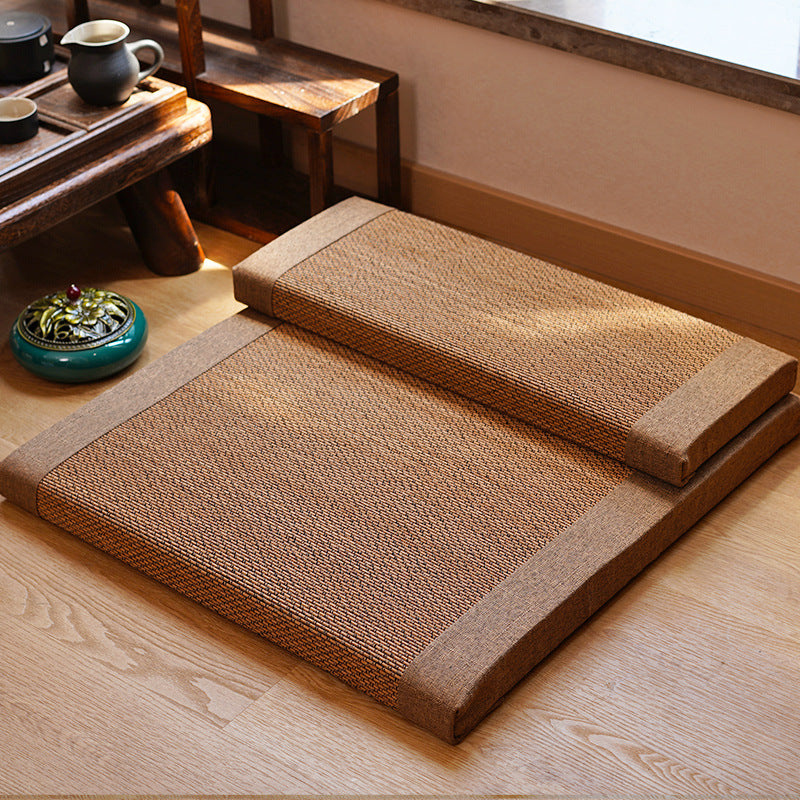
If you are adding mindfulness to your pillars, a supportive seat helps. Our round meditation cushion is designed for exactly that: a stable, grounded posture for breathwork and quiet sitting.
Rest, Recovery, and Stress Management
Sleep is the pillar most people cut first. Protect it like a meeting you cannot move.
Aim for a consistent bedtime, a dark cool room, and no screens for the last 30 minutes. That is sleep hygiene in three lines.
Stress needs its own slot in the day, not just leftover time. Ten minutes of breathing, a walk without your phone, or a wind-down ritual all count.
For a fuller set of techniques, see our seven practical steps on how to manage stress as a professional.
And if you train hard, recovery is not optional. Our guide on how to recover faster from intense workouts covers the practical side.
How to Build a Sustainable Wellness Routine for Students
For students, a sustainable wellness routine has to survive odd hours, shared rooms, and tight budgets. Structure beats intensity here.
Build the routine around your class timetable, not an ideal day. Study blocks, meals, and movement all get a fixed slot.
Keep it cheap and portable:
- Bodyweight workouts and walking
- Batch-cooked rice, beans, and frozen vegetables
- A refillable water bottle
- A fixed sleep window, even on weekends
Accountability helps more than willpower. One study partner, one shared calendar, one weekly check-in.
Watch out: all-or-nothing thinking. Missing one session does not break the routine. Missing three in a row usually means the plan was too big, so shrink it.
Best Daily Routine for Healthy Life with Time Table
The best daily routine for healthy life with a time table is one that fits your actual working hours. Below is a template you can shift to match your day.
| Time | Habit | Duration | Why it matters |
|---|---|---|---|
| 7:00am | Water and light stretch | 10 min | Wakes up the body, starts hydration |
| 7:30am | Protein-led breakfast | 20 min | Steady energy through the morning |
| 12:30pm | Lunch walk | 20 min | Breaks up sitting, lifts mood |
| 3:00pm | Water refill and 2-min breath pause | 5 min | Counters the afternoon dip |
| 6:00pm | Movement session | 30 min | Builds strength and stamina |
| 9:30pm | Screens off, wind-down | 30 min | Sets up deeper sleep |
| 10:00pm | Lights out | 7-8 hrs | Core recovery window |
Treat this as a starting point. Move blocks to suit your schedule, then keep the order the same each day.
Durations of daily habits in the sample timetable
Water and light stretch 10 min
Protein-led breakfast 20 min
Lunch walk 20 min
Water refill and 2-min breath pause 5 min
Movement session 30 min
Screens off, wind-down 30 min
Overcome Psychological Barriers and Avoid Burnout
The biggest barrier to a sustainable wellness routine is not time. It is the gap between wanting the outcome and enjoying the process. Most articles tell you to "stay consistent" but skip the why behind habit abandonment. Here is the behavioral psychology that actually explains it.
Intrinsic motivation lasts. External pressure fades. Self-determination theory suggests that habits tied to autonomy (you chose it), competence (you feel you are getting better), and relatedness (it connects you to others) are far more likely to stick than habits driven by guilt or comparison. So pick habits you do not have to talk yourself into.
Common psychological blocks and the mechanisms behind them:
- All-or-nothing thinking. This is a cognitive distortion where one missed day feels like total failure. The mechanism: your brain treats the streak as the goal, not the behavior. Rule: never miss twice. One missed day is data, not a verdict.
- Perfectionism. Often driven by a fixed mindset, the belief that ability is static. If you think a routine must be perfect to "count," any deviation feels like proof you are not the type of person who can do this. Reframe: a routine is a practice, not a performance.
- Comparison. Social comparison theory explains why you benchmark against others when you lack an internal standard. The fix is to track your own baseline (from the first section) and review it weekly, not daily.
- Decision fatigue. Each choice depletes willpower. Fewer choices, not more. Lay out gear the night before, pre-decide meal defaults, and keep the order of habits fixed even when timing shifts.
- Burnout. If you dread the routine, it is too big. Cut it in half. The goal is the smallest version you will still do on a bad day.
A useful framework is the habit loop: cue, routine, reward. Most people focus on the routine (the behavior) and ignore the cue and reward.
Small rituals help too. A calming diffuser blend at the end of the day signals to your body that wind-down has started. Our diffuser blends for the home are pre-blended for focus, relaxation, and sleep support.
Watch out: if you find yourself repeatedly abandoning routines, the problem is usually the plan, not your willpower. Shrink the habit until it feels almost too easy, then rebuild.
Budget-Friendly and Neurodivergent-Friendly Wellness Adjustments
Wellness does not need a big budget or a perfect brain. These adjustments make a sustainable wellness routine work for more people.
Budget-friendly moves:
- Walk, run, and use bodyweight workouts
- Buy frozen vegetables and dried grains
- Use free habit-tracking apps
- Choose one quality item over five cheap ones
Neurodivergent-friendly moves:
- Keep sessions short, 5 to 15 minutes
- Use visual timers and checklists
- Pair habits with things you already enjoy
- Allow flexible timing, fixed order
Environmental sustainability fits here too. A reusable bottle, a durable mat, and fewer disposable items all reduce waste and usually save money. Our eco-friendly non-slip yoga mat is built with a double-layer, anti-skid design for yoga, pilates, stretching, and home workouts.

Build Your Routine with Calmpulseco
Building a routine you can keep comes down to small, repeatable habits and gear that supports them. That is where we come in.
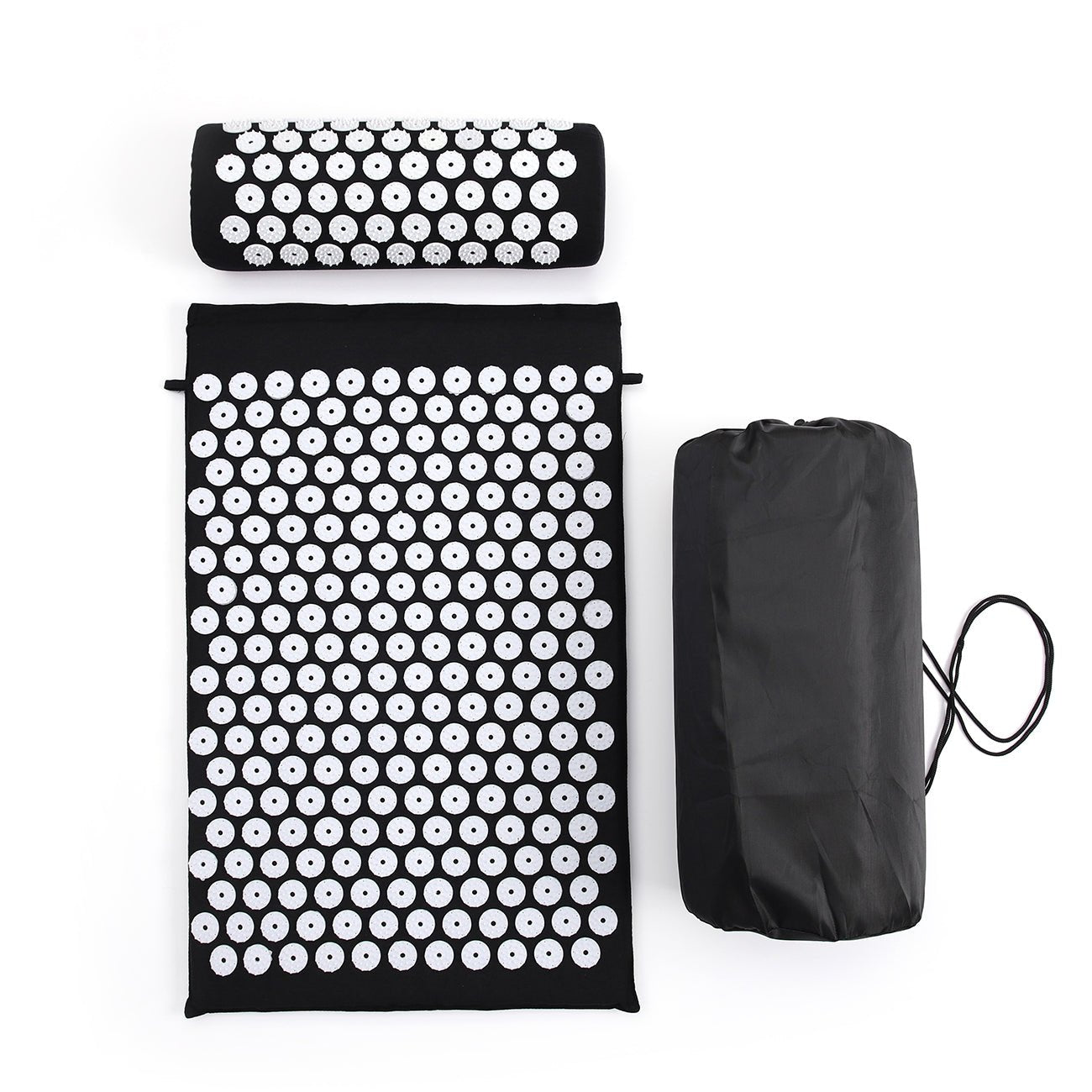
At Calmpulseco, we curate tools for both performance and stillness, including activewear, fitness equipment, and nutritional supplements. Our acupressure mat and pillow set is designed for relaxation and stretching-related use, with a cushioned mat and neck/head pillow.
Start with one habit this week. Add the next one when the first feels automatic.
Your routine will only hold if the tools around it make the habit easier, not harder. Calmpulseco curates gear for exactly that balance: technical activewear for movement, thoughtfully sourced supplements for daily nourishment, and relaxation tools for deeper rest. Browse the collection and build a routine you can actually keep.
Frequently Asked Questions
How long does it take to build a sustainable wellness routine?
There is no fixed timeline, but research on habit formation suggests that simple actions can become automatic in a few weeks, while more complex routines may take several months. The key is consistency over intensity. Start with one small habit, such as a five-minute morning stretch or a glass of water after waking, and repeat it at the same time each day. As it becomes automatic, add the next habit. A sustainable wellness routine grows through small, repeated actions rather than a single overhaul.
What should a daily wellness routine include for a busy professional?
A practical daily wellness routine for healthy body and mind should cover four basics: movement, nourishment, recovery, and stress management. For busy professionals, this might mean a 15-minute walk or home workout, a balanced lunch with protein and vegetables, two-minute breathing breaks between meetings, and a consistent bedtime. Use a simple timetable to block these as non-negotiable appointments. Tools like a non-slip yoga mat for home sessions can help keep a routine within reach.
How can students build a sustainable wellness routine on a budget?
Students can build a sustainable wellness routine using free or low-cost resources. Focus on free movement like walking or bodyweight exercises, hydrate with tap water, and use a planner or phone reminders to schedule sleep and study breaks. For mental wellbeing, try free mindfulness apps or deep-breathing exercises. Budget-friendly tools such as a basic yoga mat or a meditation cushion can support the routine without a big spend. The priority is consistency, not equipment.
How can you adapt a wellness routine when life gets busy?
When life gets busy, shrink the routine rather than dropping it. Keep a minimum version of each habit: a five-minute stretch instead of a full workout, one deep-breathing exercise instead of a long meditation, or a piece of fruit instead of a elaborate meal. Use a simple timetable to protect the smallest non-negotiable actions. This approach keeps the routine manageable rather than all-or-nothing. Adjust expectations during high-stress periods and return to the full routine when capacity allows.