Cart
0
Last Updated: November 12, 2026
Quick Summary
To recover faster from intense workouts, cool down gradually, rehydrate based on sweat loss, and eat 20-40 grams of protein with carbs within the first hour. Gentle active recovery, sleep, and checking your readiness before training again matter more than any single trick.
- For every pound lost during training, drink roughly 16-24 ounces of fluid with electrolytes.
- Keep active recovery easy enough to hold a conversation, such as a 20-minute walk or slow spin.
- Hold each stretch for 20-30 seconds after warming up for 10 minutes.
- Regular cold immersion right after lifting may blunt inflammatory signaling that supports muscle growth.
- Two green readiness checks means train, one red flag means go light, and two red flags means rest.
Ready to recover faster after every session?Calmpulseco curates supplements, massage tools, and gear to support your training and rest.
Shop Recovery Essentials
Table of Contents
- The First 60 Minutes: Immediate Post-Workout Recovery Steps
- How to Recover Sore Muscles Faster with Active Recovery and Stretching
- What Helps Sore Muscles After Workout: Massage, Compression, and Water Therapy
- Muscle Recovery Supplements That Actually Support Repair
- Muscle Recovery Time by Age: What Changes and How to Adapt
- How to Measure Readiness to Train Again
- When Soreness or Fatigue Needs Medical Attention
- Build Your Recovery Kit with Calmpulseco
- Frequently Asked Questions
The First 60 Minutes: Immediate Post-Workout Recovery Steps
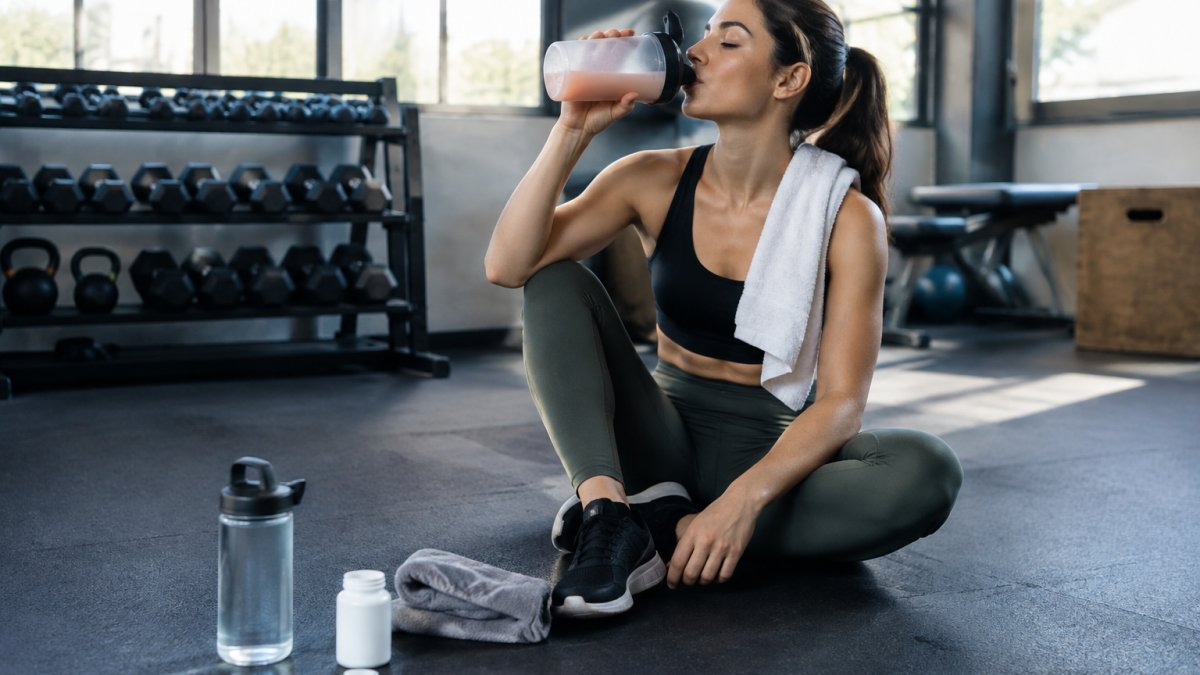
Learning how to recover faster from intense workouts starts in the first hour after you stop moving. This window is when your body most needs fluid, fuel, and a reason to cool down.
Here is a practical, time-based sequence you can apply immediately after training:
Minutes 0-5: Bring the heart rate down gradually. Do not stop dead after intervals or a heavy lift. Walk it off, pedal easy, or move through a light full-body flow. The goal is a slow drop in heart rate and breathing, not a second workout.
Minutes 5-10: Cool down and assess. A 5-10 minute cool-down helps you transition out of sympathetic drive. Use this time to notice anything sharp, swollen, or asymmetrical. Normal fatigue is diffuse; pain that is pinpoint or worsens with movement deserves attention later.
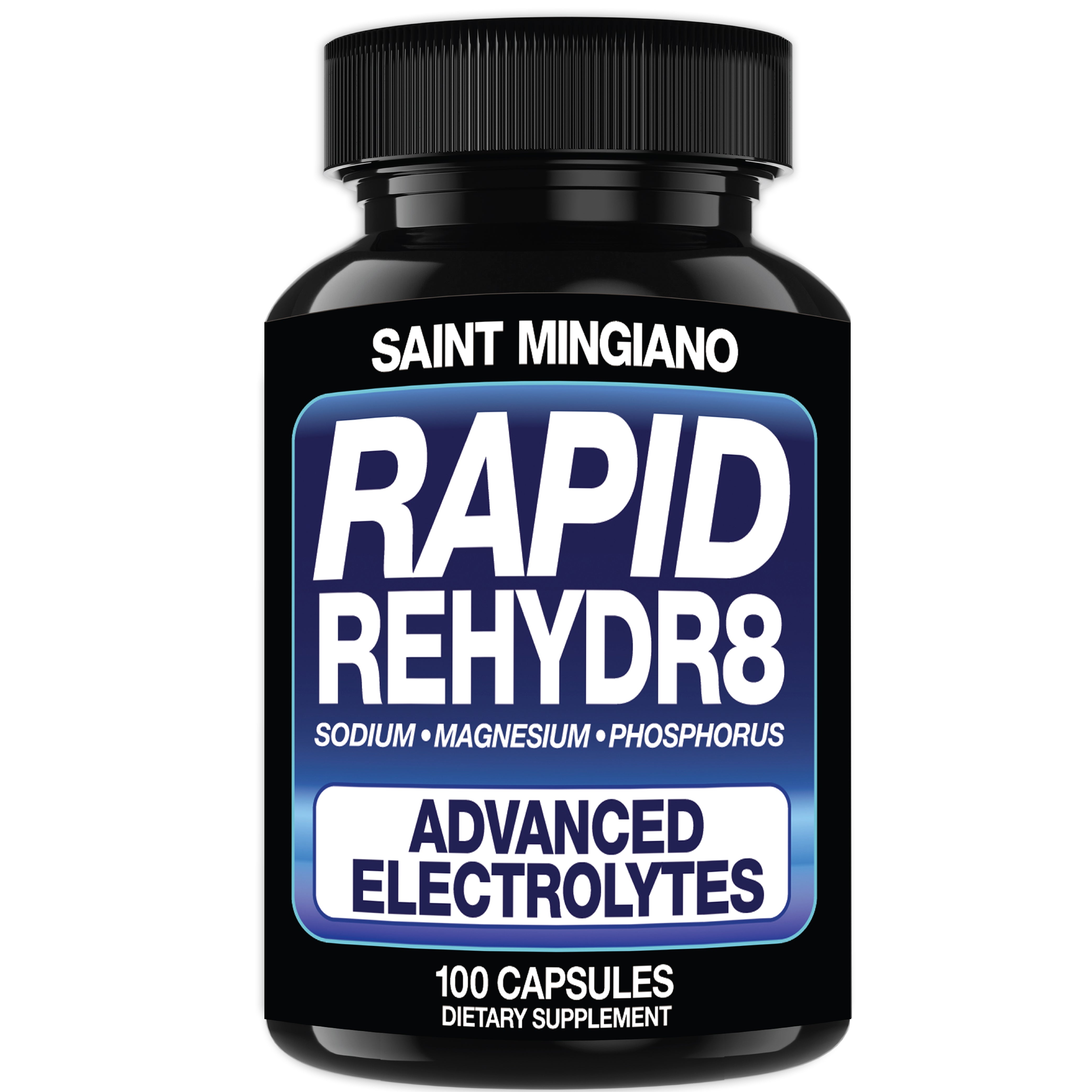
Minutes 10-20: Rehydrate based on sweat loss, not a fixed rule. A simple approach is to weigh yourself before and after a few sessions. Our Rapid Rehydr8 electrolyte capsules are built for exactly this moment, with potassium, calcium, phosphorus, and magnesium to support rehydration and help guard against cramping.
Minutes 20-60: Eat protein and carbs together. A common target is 20-40 grams of protein plus 0.5-1 gram of carbohydrate per kilogram of body weight for hard sessions, adjusted to your size and appetite. If a shake is easier than a meal, these post-workout meals without protein powder give you real-food options for later in the day.
Minutes 30-60: Shower, change, and start winding down. Getting out of damp kit helps you feel reset and reduces chafing and skin irritation. Stress hormones stay elevated for a while after intense work, so give them a reason to fall: dim lights, quiet time, and a plan for the next meal.
Watch out: Drinking a large volume of plain water quickly after heavy sweating can dilute sodium levels. If you are a heavy, salty sweater or you train for hours in heat, choose fluids with electrolytes rather than water alone.
Recovery in the first hour is not about perfection. It is about hitting the basics in the right order: cool down, rehydrate, refuel, and reset. Do that consistently and the rest of the day has a much better starting point.
How to Recover Sore Muscles Faster with Active Recovery and Stretching
The best way to recover sore muscles faster is gentle movement, not total rest. Light exercise keeps blood flowing to tired tissue. That flow helps clear waste products and eases stiffness.
Active recovery means easy movement on your off day. Think a 20-minute walk, a slow spin on the bike, or a gentle swim. Keep the effort low. You should be able to hold a conversation the whole time.
Stretching and mobility work best when muscles are warm, not cold. A few minutes of dynamic stretching after training helps. Save longer static holds for later in the day.
A simple routine:
- Walk for 10 minutes to warm up
- Hold each stretch for 20-30 seconds
- Focus on the muscles you trained hardest
- Breathe slowly and stop before pain
The American College of Sports Medicine notes that light activity supports circulation and can ease muscle soreness between sessions. It is not a cure, but it helps.
What Helps Sore Muscles After Workout: Massage, Compression, and Water Therapy
What helps sore muscles after workout most is the method you will actually stick with. The evidence for each option is mixed, so pick based on time, cost, and comfort. The useful distinction is between methods that mainly reduce how sore you feel and methods that may support or blunt training adaptation.
Massage and self-massage. A sports massage or foam rolling can ease perceived soreness and help you feel looser. Most practitioners find the effect is modest and short-lived, and it will not speed tissue repair. Use it as a comfort tool, not a repair tool. A square foot massage pad is handy for tired feet and calves after long runs or leg day.
Compression garments. These apply gentle pressure to limbs. Many athletes report less swelling and less soreness, especially after travel or long endurance sessions. The research is not settled, so treat compression as a low-risk comfort aid rather than a proven recovery accelerator.
Cold-water immersion and ice baths. Cold water can dull soreness for a while, which helps if you need to feel better before the next session. The trade-off is that regular cold immersion immediately after strength training may blunt some of the inflammatory signaling that supports muscle growth.
Heat and contrast-water therapies. Warm showers, heat packs, and contrast water therapy, alternating hot and cold, help muscles relax and can feel good between sessions. Evidence for faster tissue repair is limited, so choose based on comfort and schedule.
Watch out: Cold immersion is not a substitute for medical care. If soreness is severe, swelling is rapid, or urine turns dark after hard training, stop self-treating and seek advice.
For relaxation between sessions, a wireless sleep aid head massager helps you unwind and settle before bed. Recovery is not only physical.
| Method | Best For | Effort | Evidence Strength |
|---|---|---|---|
| Active recovery | Next-day stiffness | Low | Moderate |
| Stretching and mobility | Range of motion | Low | Moderate |
| Massage and foam rolling | Perceived soreness | Medium | Mixed |
| Compression garments | Swelling and comfort | Low | Mixed |
| Cold-water immersion | Short-term soreness relief | Medium | Mixed; may blunt strength adaptation if used immediately after lifting |
| Heat and contrast therapy | Relaxation and comfort | Low-medium | Limited |
The practical takeaway: use massage, compression, and water therapy as optional comfort tools, and match them to your training goal. If you are chasing strength or muscle growth, do not let cold immersion become a daily habit right after lifting.
Muscle Recovery Supplements That Actually Support Repair
Muscle recovery supplements worth your money are few. Protein tops the list. Everything else is a supporting act.
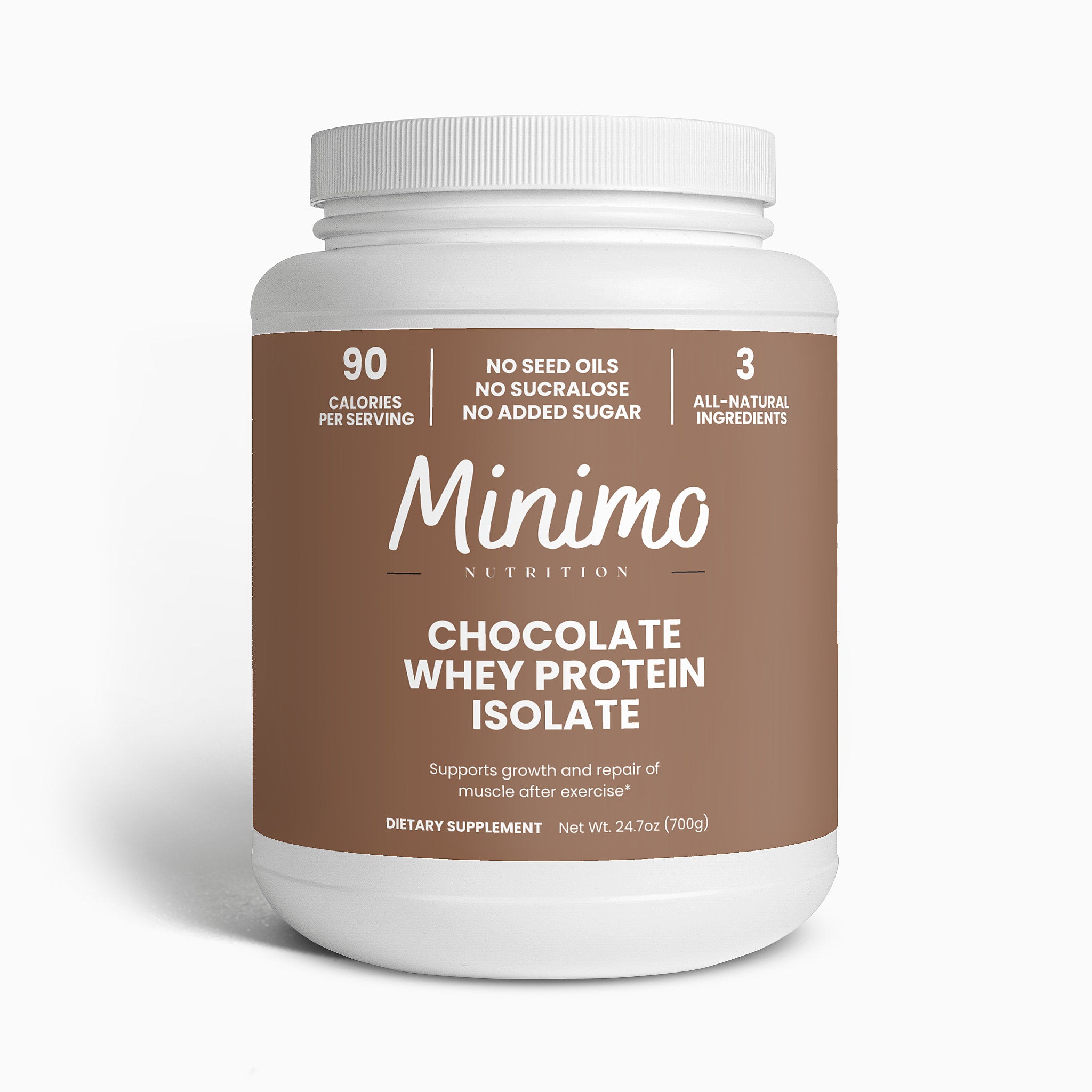
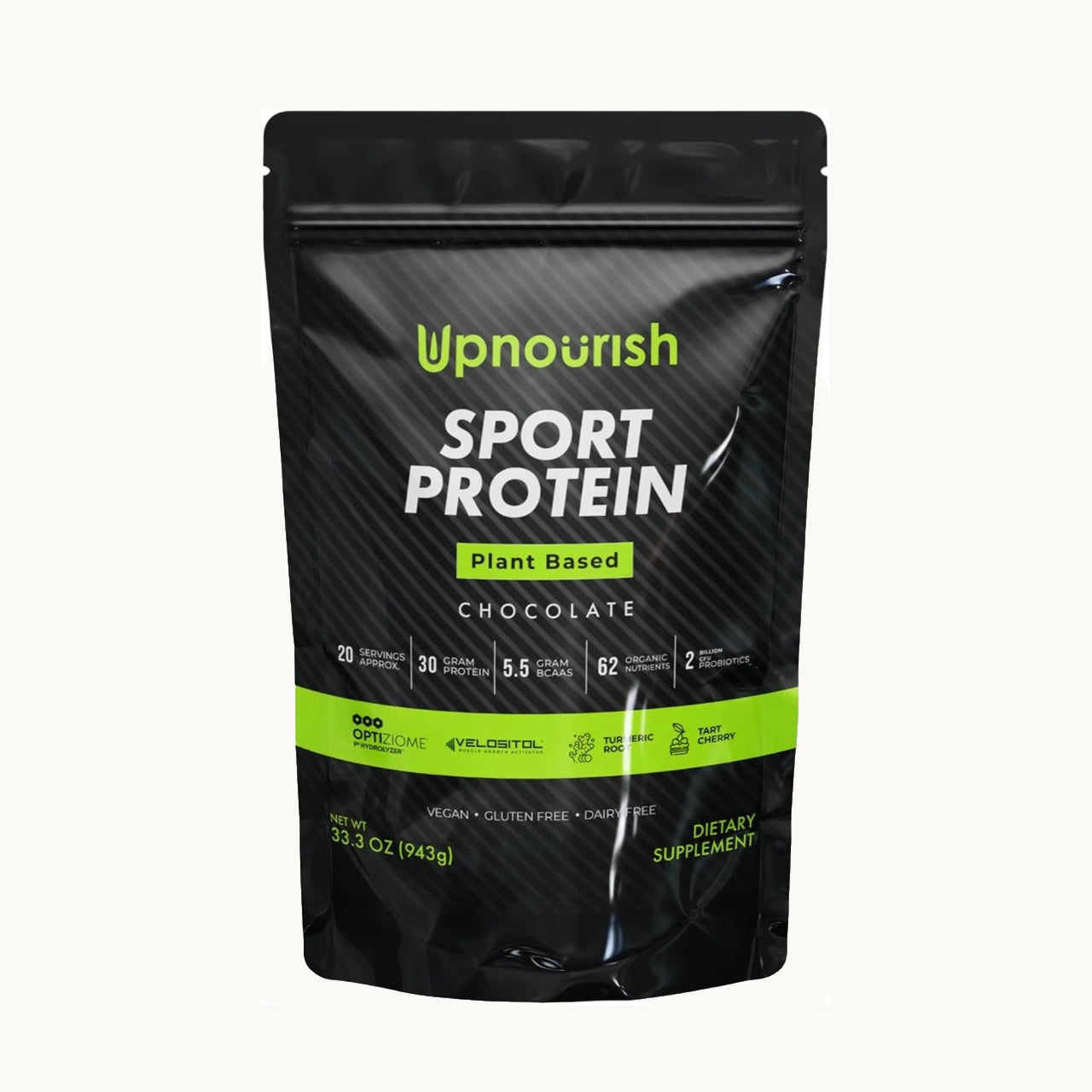
Protein supplies the amino acids your body uses to repair muscle. Whey isolate is fast and pure. Our chocolate whey isolate protein powder is made from whey protein isolate and sweetened with stevia. If you avoid dairy, our plant-based sport protein is a non-dairy, plant-based option.
Electrolytes support hydration and muscle contraction. They matter most if you sweat heavily or train long.
Magnesium plays a role in muscle function and relaxation. Our magnesium mineral butter is a topical product offered as a calming evening routine staple.
What most guides miss: no supplement replaces sleep and food. Use these to fill gaps, not to patch a bad routine. The Office of Dietary Supplements is a useful, neutral place to check what each ingredient does before you buy.
Muscle Recovery Time by Age: What Changes and How to Adapt
Muscle recovery time by age tends to lengthen as you get older. That is normal, not a warning sign. What changes is how quickly tissue repairs and how much soreness you feel the next day.
In your 20s and 30s, you can often train hard again within a day or two. In your 40s and beyond, the same session may need extra time. Sleep quality, stress, and nutrition matter more with each passing year.
How to adapt:
- Add an extra rest day when you feel run down
- Prioritize sleep over extra sessions
- Keep protein steady across the day
- Warm up longer before intense work
- Track how you feel, not just what the plan says
The CDC physical activity guidance reminds adults that consistency beats intensity. A slightly slower recovery is fine if you keep showing up.
How to Measure Readiness to Train Again
Readiness to train again comes down to three simple checks: how you feel, how you slept, and how your body performs. You do not need a lab.
Ask yourself each morning:
- Is my soreness fading or getting worse?
- Did I sleep well?
- Is my resting heart rate normal?
- Do warm-up sets feel heavy?
- Am I motivated or dreading it?
A wearable helps here. A smart watch with heart rate and fitness tracking lets you watch trends, not single days. If your resting heart rate is up and sleep was poor, take an easy day.
Our rule of thumb: two green checks means train. One red flag means go light. Two red flags means rest.
When Soreness or Fatigue Needs Medical Attention
Normal muscle soreness shows up a day or two after training and fades within a few days. It feels tender and stiff, not sharp. That is delayed-onset muscle soreness, and it is expected.
Some signs are not normal. Seek medical advice if you notice:
- Soreness that gets worse after several days
- Severe pain or swelling
- Dark urine after hard training
- Dizziness, fever, or confusion
- Weakness that will not lift
- Pain in a joint rather than a muscle
These can point to something more serious than soreness. We are not doctors, and this is not medical advice. When in doubt, get checked. The NHS guidance on muscle soreness explains when to see a professional.
Build Your Recovery Kit with Calmpulseco
Recovering faster is a habit, not a single trick. Cool down, refuel, hydrate, sleep, and move gently. Then check your readiness before the next session. Do this often enough and your body keeps up with your ambition.
Calmpulseco curates the tools that make this easier. Our electrolyte capsules, protein powders, and relaxation products are chosen to fit into a recovery routine. Every product is chosen to bridge hard training and calm balance.
Start with one small change this week. Add electrolytes after your next hard session and see how you feel the following morning.
Recovery does not have to be guesswork. If you want a simple, curated set of tools that support your training and your rest, Calmpulseco is built for exactly that. Our electrolyte capsules, protein powders, and relaxation aids work together to help you bounce back and stay consistent. Get started with Calmpulseco and give your body the support it needs to train hard and rest well.
Frequently Asked Questions
How can I recover quickly after a hard workout?
Start with the first 60 minutes: drink water with electrolytes, eat a snack with protein and carbohydrates, and avoid sitting still for too long. Over the next 24 hours, prioritize sleep, light movement like walking, and gentle stretching. Using a foam roller or getting a massage can help reduce soreness. Muscle recovery supplements such as whey isolate or plant-based protein and electrolyte capsules can fill nutritional gaps. Most importantly, match your recovery effort to the workout intensity so your body has time to repair.
What helps sore muscles after workout?
Active recovery, massage, compression garments, and water immersion are commonly used approaches. Light exercise like walking or cycling increases blood flow without adding strain. Self-massage with a foam roller can ease tightness. Cold-water immersion or contrast water therapy may reduce perceived soreness, though evidence is mixed. Adequate protein and hydration support tissue repair. For persistent soreness, a magnesium-based topical product can help relax muscles before sleep.
Do muscle recovery supplements help after intense workouts?
Yes, certain supplements can support recovery. Protein powder (whey isolate or plant-based) provides amino acids for muscle repair. Electrolyte capsules are one option for hydration support. However, supplements work best alongside proper nutrition, hydration, and rest. Consult a healthcare professional if you have specific health concerns.
How long does it take to recover from an intense workout?
Recovery time varies by workout type, intensity, and individual factors like age and fitness level. Soreness typically peaks 24 to 48 hours after exercise and subsides within 72 hours. Muscle repair and glycogen replenishment can take longer, especially after eccentric or high-intensity training. Sleep, nutrition, and active recovery can shorten this timeline. Tracking readiness markers like resting heart rate and perceived energy helps you decide when to train hard again.