Cart
1

Last Updated: November 14, 2026
Quick Summary
Community accountability is not strictly necessary for fitness results, but it makes them far more likely. Sharing your goals with people who notice your effort and expect you to show up helps you stick with training longer than training alone. It works best when it is regular rather than intense.
- Make your commitment visible to at least one other person and set a fixed check-in time.
- Groups of three to six people tend to keep everyone involved; larger groups let quiet members disappear.
- Pair with someone slightly more consistent than you are, not someone who struggles to start.
- Judge accountability by behavior over four to six weeks, not by how supported you feel in the moment.
- Build rest days into the agreement so rest is not treated as a missed session.
Ready to train with real support?Calmpulseco curates fitness gear, activewear and supplements for balanced, high-performance living.
Shop Fitness Gear
Table of Contents
- Why Community Accountability Matters for Fitness Results
- How to Stay Accountable for Exercise: A Practical Guide
- Finding the Right Fitness Accountability Group
- Choosing a Workout Accountability Partner Who Fits
- The Fitness Accountability Check-In: What Works and What Wastes Time
- Solo Training vs. Community-Based Training: A Fair Comparison
- When Accountability Backfires: Signs It Is Hurting Your Progress
- Build Your Support System with Calmpulseco
- Frequently Asked Questions
Why Community Accountability Matters for Fitness Results
Is community accountability necessary for fitness results? Not strictly, but it makes them far more likely. To keep that consistency sustainable, learn how to recover faster from intense workouts between sessions.
Why does it work? Because most people do not quit fitness from lack of knowledge. They quit from lack of follow-through. A workout partner turns a private intention into a social promise.
Here is what matters most: accountability does not need to be intense to work. It needs to be regular.
Below, we will show you exactly how to build that support system, what formats work, and when accountability starts to hurt instead of help.
How to Stay Accountable for Exercise: A Practical Guide
The most reliable way to stay accountable for exercise is to make your commitment visible to at least one other person and set a fixed check-in time. Everything else is detail. Here are the steps we recommend:
- Pick one person or one group. Not five. One.
- Name the specific goal. "Run three times a week" beats "get fit."
- Set a fixed check-in day and time. Same day, every week.
- Agree on what counts as done. A 20-minute walk counts if you said it would.
- Share your schedule in advance. This makes missed workouts harder to hide.
- Review every four weeks. Adjust the goal, not the habit.
A common mistake is choosing an accountability partner who is too similar to you. Two people who both struggle to start will often drift together. Pair with someone slightly more consistent than you are.
Finding the Right Fitness Accountability Group
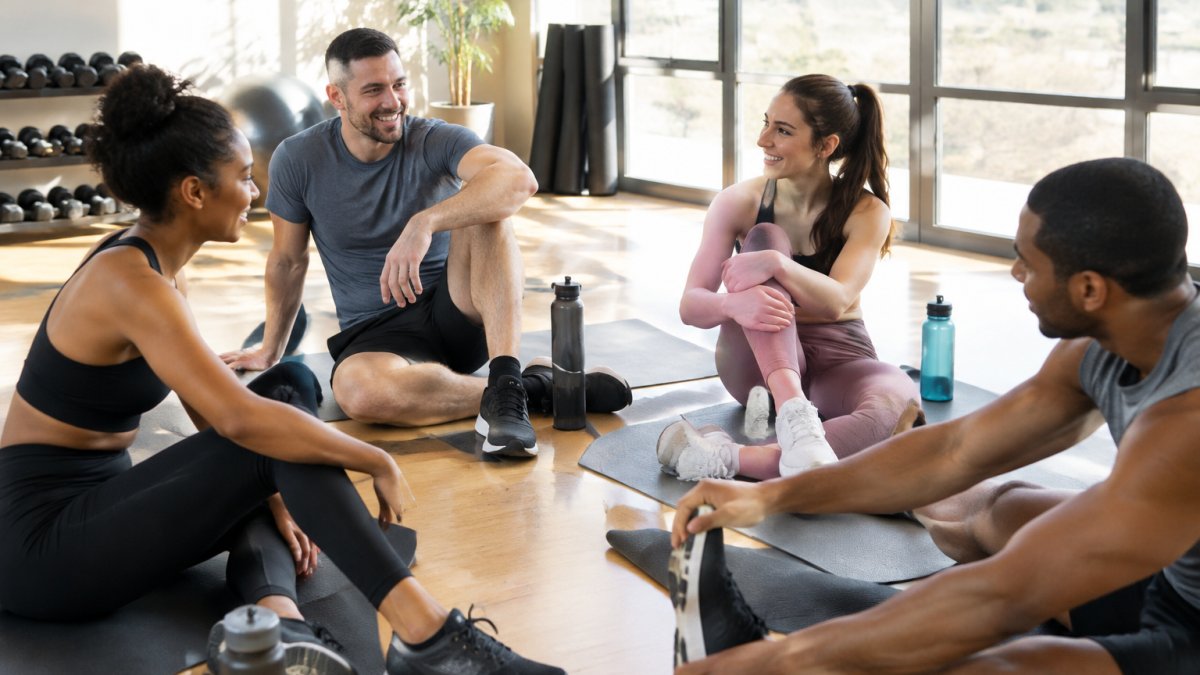
The right fitness accountability group is small, meets on a predictable schedule, and matches your current fitness level. Size matters more than most people expect. Groups of three to six people tend to keep everyone involved. Larger groups let quiet members disappear.
Where do you find one?
- Your gym or studio: ask about small-group coaching rather than open classes
- Workplace wellness channels: a lunchtime walking group counts
- Local running or cycling clubs: most welcome beginners
- Online communities tied to a specific program: better than general fitness forums
- Friends with a shared goal: the simplest option, and often the most durable
Watch out: joining a group that trains far above your level is one of the fastest routes to injury and dropout. Visit twice before committing.
Choosing a Workout Accountability Partner Who Fits
A workout accountability partner should match your schedule and your temperament, not your personality. This is where most pairings fail. People pick a friend they like, then discover their friend trains at 9pm while they train at 6am.
Use this quick filter before you commit:
| Question | What to look for |
|---|---|
| Schedule | Overlapping workout windows at least twice a week |
| Level | Similar enough that neither of you holds back |
| Style | Same preference for encouragement or direct feedback |
| Communication | Same preferred channel, text or app or call |
| Goal type | Both training for consistency, or both for a specific event |
Then set the terms out loud. Who messages whom? What happens after a missed session? A short agreement prevents resentment later.
If you are coming from solo training, expect the first two weeks to feel like extra admin. That fades once the check-in becomes routine.
The Fitness Accountability Check-In: What Works and What Wastes Time
A fitness accountability check-in works when it is short, specific, and predictable. It wastes time when it turns into a long chat about intentions rather than a record of what happened.
Most people set up accountability backwards. They pick a person, then hope the check-ins sort themselves out. A better sequence is to agree on the terms before the first workout.
The four-part check-in agreement
- Frequency and channel. Decide how often you check in and where. A weekly text on Sunday evening is enough for most people. Daily check-ins tend to collapse after two weeks because they demand too much emotional energy. Pick one channel, text, a shared note, or a messaging app, and do not split the conversation across three places.
- What counts as a report. Agree on the minimum information. A useful format is three lines: what you did, what is next, and what got in the way. This keeps the check-in factual and short. It also makes missed sessions visible without requiring a confession.
- Attendance expectations. State the number of sessions you intend to complete each week and what happens if you miss one. A common pattern is to require a make-up session within the same week or a brief note explaining the miss. The point is not punishment. It is keeping the record honest.
- Response to missed sessions. Decide in advance how your partner should respond. Most people want a neutral question ("What happened?") rather than advice or disappointment. Writing this down prevents the resentment that builds when one person feels judged and the other feels ignored.
What a good check-in looks like in practice
A weekly check-in that takes two minutes might read: "Did two strength sessions and one walk. Next week I am aiming for three strength sessions. Work travel got in the way on Thursday." That message contains the three elements that matter: completed work, intended work, and the obstacle.
What wastes time
- Long voice notes that never mention actual sessions
- Check-ins with no agreed schedule, so nobody knows when to expect a report
- Groups where everyone reports but nobody responds, which turns accountability into a diary
- Tracking every metric instead of the two or three that matter for your goal
- Check-ins that become general life catch-ups and never return to training
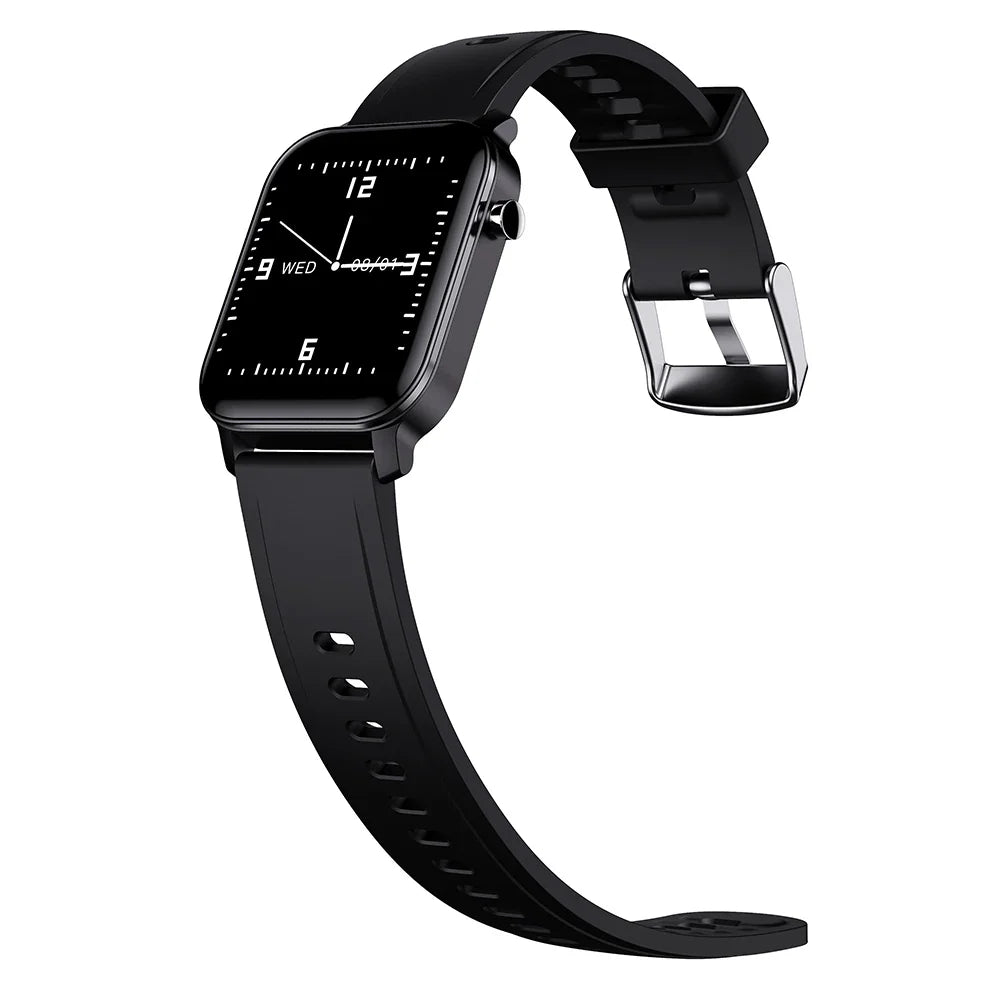
A simple fitness tracker can make check-ins data-driven instead of guesswork. The Smart Watch Men Women Fitness Tracker Waterproof Android iOS Compatible records steps, sleep monitoring and heart rate, so your weekly report writes itself.
Measuring whether the check-in is working
Do not judge accountability by how supported you feel in the moment. Judge it by behavior over four to six weeks.
Watch out: a check-in that produces guilt rather than information is a sign the terms are too rigid. Reduce the frequency or change the response style before you drop the partner entirely.
Solo Training vs. Community-Based Training: A Fair Comparison
Solo training wins on flexibility. Community-based training wins on consistency. Neither is universally better, and the honest answer depends on what has stopped you before.
| Factor | Solo training | Community-based training |
|---|---|---|
| Scheduling | Fully flexible | Fixed times |
| Cost | Lower | Higher, especially small-group coaching |
| Motivation source | Self-discipline | Peer support and encouragement |
| Adherence over months | Harder to sustain | Generally stronger |
| Feedback on form | Limited | Immediate from coach or peers |
| Best for | Experienced, self-driven trainees | Anyone who has quit before |
Solo training suits people with an established routine and a clear plan. Community training suits people who start strong and fade. If you have restarted your workout routine more than twice this year, that is your answer.
Training at home is a real middle path. The Resistance Training & Cardio Bundle includes resistance bands, a jump rope and a carry bag, and is compact enough to store in a small space, so a home routine can stay varied without a gym membership.
When Accountability Backfires: Signs It Is Hurting Your Progress
Accountability backfires when it becomes pressure without support. The warning signs are easy to spot once you know them:
- You dread the check-in more than the workout
- You train through pain to avoid reporting a rest day
- You hide missed sessions instead of mentioning them
- The group compares bodies or numbers in a way that leaves you worse off
- You feel guilt on rest days, which are part of any plan
These signs share a common mechanism. Accountability works by making your behavior visible to other people.
Why comparison becomes corrosive
A group can raise your standards or raise your anxiety, and the difference often comes down to what people compare. Comparing process, sessions completed, sleep, consistency, tends to help.
Privacy and the cost of over-sharing
Some people are comfortable posting every workout. Others find that public tracking turns training into performance.
Rigid expectations and the rest-day problem
Accountability agreements that do not include rest days set people up to fail.
How to fix it without abandoning accountability
- Switch from a group to a one-to-one partner if comparison is the problem
- Reduce the check-in to monthly if weekly feels heavy
- Change the response style from advice to neutral questions
- Remove outcome metrics from the check-in and keep process metrics only
- Step back entirely for two to four weeks, then restart with simpler terms
Stress management matters here as much as training does. Our guide on how to manage stress as a professional covers practical steps for stress management alongside a training plan.
The goal is sustainable fitness, not perfect reporting. A support system that makes you anxious is not a support system.
Build Your Support System with Calmpulseco
Accountability is not a personality trait. It is a structure you build, and it needs the right tools behind it. That is where we come in.
At Calmpulseco, we curate gear for people who train hard and think carefully about recovery. Our selection bridges physical performance and mental stillness, so your support system extends beyond the people you check in with. You get:
- Technical comfort for every stretch, stride and session
- Meticulously sourced supplements to support body vitality
- Tools for deeper relaxation and focus, so rest days count as much as training days
Start with one partner, one weekly check-in, and one piece of gear that makes showing up easier. Explore Calmpulseco and build a routine that fits your goals.
Accountability works when it is small, regular and honest. Pick one person this week, agree on a check-in time, and let the structure carry you through the weeks when willpower runs low. Calmpulseco is here to supply the equipment and recovery tools that keep that routine sustainable.
Frequently Asked Questions
Is community accountability necessary for fitness results?
No, it is not strictly necessary. People can and do reach fitness goals training alone. But community accountability makes consistency easier for most people because it adds social support, positive reinforcement, and a reason to show up on days when motivation is low. The key is matching the format to your personality and schedule. If you prefer solitude, a single workout accountability partner or a simple weekly check-in may be enough.
How often should a fitness accountability check-in happen?
Weekly check-ins work well for most people. They are frequent enough to catch missed workouts before they become a pattern, but not so frequent that they feel like a second job. Busy professionals often do a 10-minute Sunday review with a partner or group, covering what went well, what got skipped, and what is planned for the coming week. Daily text nudges can help, but keep the formal review weekly.
Can you achieve fitness goals without a workout partner?
Yes. Solo training works, especially if you use progress tracking, scheduled workouts, and clear goals. What a partner adds is external encouragement and commitment. If you train alone, build in other forms of accountability, such as a fitness accountability group, a coach, or a shared goal with a friend. The resistance bands and jump rope in the Resistance Training & Cardio Bundle support a structured home routine you can track on your own.
What makes a fitness accountability group effective?
Effective groups share three traits: clear shared goals, regular check-ins, and positive reinforcement rather than pressure. Small-group coaching or a group exercise class with the same people each week tends to work better than a large, anonymous online forum. Look for a group where members celebrate effort, not just outcomes, and where missed workouts are treated as information rather than failure.