Cart
0

Last Updated: November 15, 2026
Quick Summary
To optimize daily energy levels naturally, work through the day in order: get morning daylight and a protein-rich breakfast, handle the afternoon dip with movement and water instead of more coffee, and build an evening wind-down that sets up tomorrow. Sleep, food timing, movement and stress load are the four levers you control.
- Rate your energy on a 1-5 scale for a week to spot your own triggers.
- Get daylight on your face within an hour of waking to anchor your body clock.
- Set a caffeine cutoff roughly eight to ten hours before bed, around 1pm to 3pm.
- For a fast lift, pair fruit with nuts rather than eating a sugary snack.
- Ask for a blood test covering iron, vitamin D and B12 before buying supplements.
Tired by 3pm every day?Calmpulseco curates gear and supplements that support steady energy from morning to night.
Shop Energy Essentials
Table of Contents
- Why Your Daily Energy Levels Crash and What Actually Drives Them
- A Time-Ordered Daily Routine to Optimize Energy Levels Naturally
- How to Boost Energy When Tired Without Reaching for Another Coffee
- What to Eat to Gain Energy Fast (and What to Eat for Sustained Energy)
- What to Drink to Boost Energy Naturally
- Vitamins to Boost Energy and What the Evidence Actually Supports
- Persistent Fatigue: Warning Signs and When to See a Doctor
- Building Your Calmpulseco Energy Kit
- Frequently Asked Questions
Why Your Daily Energy Levels Crash and What Actually Drives Them
Daily energy levels are the sum of what you eat, how you sleep, how much you move, and how well you manage stress, and most crashes trace back to one of those four inputs rather than a lack of willpower. Most energy crashes follow the same pattern: people reach for a third coffee at 3pm when the real fix sits in last night's sleep or this morning's breakfast. Below, we'll show you how to optimize daily energy levels naturally across a full day, without stimulants doing the heavy lifting.
The Four Levers You Can Actually Control
Genetics and age set your baseline. Everything else is a lever.
- Sleep quality and duration. A consistent sleep routine and a genuinely dark, cool room do more for daytime vitality than any supplement.
- Food timing and composition. Balanced meals with protein and slow-release carbohydrates keep blood sugar steady instead of spiking and crashing.
- Movement. Physical activity, even short movement breaks, raises alertness and improves sleep quality at night.
These levers interact: a protein-rich breakfast protects you from the mid-morning crash, a walk after lunch protects your afternoon, and a proper wind-down protects tomorrow.
How to Spot Your Own Energy Patterns and Triggers
Generic advice only goes so far. Track yourself for a week before changing anything.
Rate your energy on a 1-5 scale an hour after waking, mid-afternoon, and an hour before bed. Note what you ate, how you slept, and whether you'd been sitting for long stretches. Most people find one or two consistent triggers, often a skipped breakfast, a heavy lunch, or a late caffeine hit.
A Time-Ordered Daily Routine to Optimize Energy Levels Naturally
The most practical way to optimize energy levels naturally is to work through the day in order: morning light and food, an afternoon crash plan, and an evening wind-down that sets up tomorrow.

Morning: Light, Food, and a Reason to Move
Get daylight on your face within an hour of waking.
Eat breakfast, ideally with lean protein; skipping it sets up a mid-morning blood sugar dip no coffee fixes. Even a slow walk counts.
Watch out: starting the day with coffee on an empty stomach and no food until lunch is the single most common pattern behind a 10am slump.
Afternoon: The Crash Window and How to Handle It
The post-lunch dip is normal, not a personal failing. Handle it with movement and water rather than another coffee: a five-minute walk, a few minutes of stretching, or breathing exercises at your desk restores alertness more reliably than caffeine, which at this hour also threatens tonight's sleep.
Keep water within reach and sip through the afternoon. Mild dehydration can read as tiredness long before you feel thirsty.
Evening: Setting Up Tomorrow's Energy Tonight
Your evening determines tomorrow's energy levels more than your morning does. Dim the lights, put screens away earlier than feels comfortable, and build a repeatable wind-down: a warm shower, a few pages of a book, a cup of caffeine-free herbal tea.
A caffeine-free herbal tea fits naturally into that routine as a signal that the day is closing, which matters more than the drink itself.
How to Boost Energy When Tired Without Reaching for Another Coffee
The fastest way to boost energy when tired is to change your physical state before your blood caffeine level: stand up, move for five minutes, drink a glass of water, and get bright light. Caffeine works, but timing, dose, and tolerance matter more than most people realize, and getting them wrong turns a short-term fix into a long-term energy drain.
The Caffeine Timing Rule That Protects Tonight's Sleep
The loop is easy to miss because the cause sits hours before the effect.
A practical cutoff is early afternoon, roughly eight to ten hours before bed: if you sleep at 11pm, that means the last caffeine around 1pm to 3pm. If you're sensitive to caffeine or already wake during the night, move the cutoff earlier and test how you feel for a week.
Watch out: "decaf" after dinner is not always caffeine-free. Decaf coffee and tea retain small amounts of caffeine, and some people notice it. If your sleep is fragile, treat evening decaf as a test, not a guarantee.
Tolerance: Why the Third Coffee Stops Working
Caffeine blocks adenosine, the molecule that builds up through the day and creates sleep pressure. With regular use, your brain produces more adenosine receptors, so the same dose produces less lift. This is tolerance, and it's why the coffee that used to carry you through the afternoon now barely registers.
Watch out: quitting cold after several cups a day can bring headaches and foggy thinking. Tapering gradually is often easier.
Non-Caffeine Boosts That Actually Change Your State
- Movement. Stairs, a short walk, or five minutes of stretching raises alertness within minutes by increasing blood flow.
- Bright light. Outdoor light, even on a cloudy day, is far brighter than indoor lighting and signals alertness to your body clock.
- Cold water on your face or wrists. A brief cold stimulus is a fast, low-cost way to feel more awake.
A Simple Afternoon Decision Tree
When the 3pm dip hits, work through this order before reaching for caffeine: have you had water in the last hour? Have you moved in the last two hours? Have you eaten protein since lunch? If all three are yes and you still feel flat, a small amount of caffeine before your cutoff is reasonable. If it's after your cutoff, use light, movement, or a short nap instead and protect tonight's sleep.
What to Eat to Gain Energy Fast (and What to Eat for Sustained Energy)
For fast energy, reach for fruit with a source of protein, such as an apple with a handful of nuts; the natural sugars lift you quickly while the protein slows the drop.
Slow-release carbohydrates, including oats, brown rice, and whole-grain bread, digest gradually and keep blood sugar steadier than white bread or sugary snacks. Balanced meals with protein at every sitting are the backbone of stable daily energy levels.
| Goal | Best Choice | Avoid | Why It Matters |
|---|---|---|---|
| Fast lift | Fruit plus nuts | Sugary snack | Slower drop after the peak |
| Sustained energy | Lean protein plus whole grains | White bread, pastries | Steady blood sugar |
| Afternoon snack | Greek yogurt, oatcakes | Biscuits, sweets | Avoids the crash window |
What to Drink to Boost Energy Naturally
Water is the most underrated answer to what to drink to boost energy naturally.
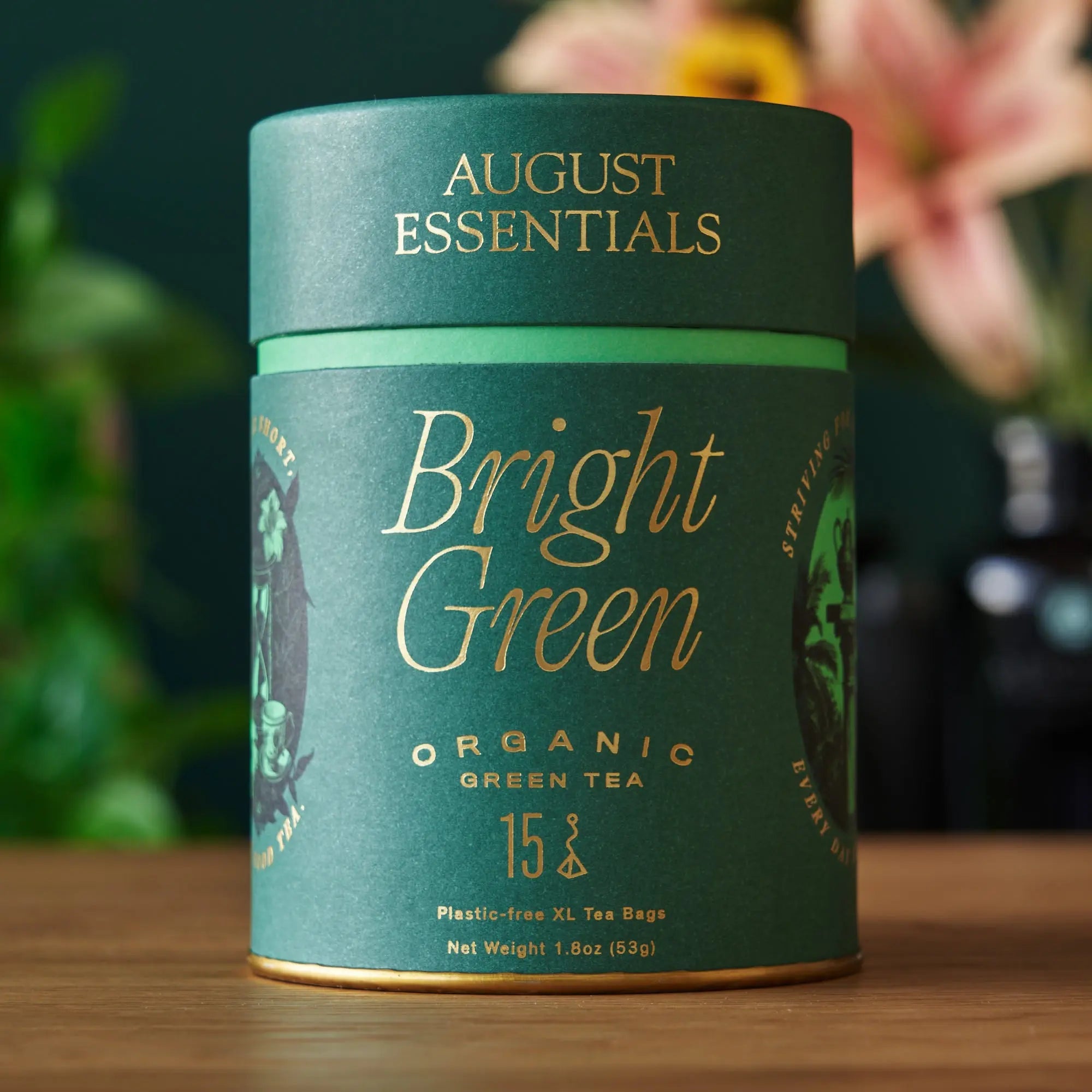
For a gentle lift, green tea offers a milder caffeine dose than coffee alongside a calm, focused feel. Our Bright Green green tea is a smooth Japanese kukicha with sweet lemon and honeysuckle notes.
What to skip: sugary energy drinks and juices, which spike blood sugar and leave you flatter than before.
Vitamins to Boost Energy and What the Evidence Actually Supports
Vitamins are most likely to help when a deficiency exists; they are less likely to make a noticeable difference when levels are already adequate.
What Each Nutrient Actually Does
- Iron is essential for carrying oxygen in your blood. Low iron, and especially iron-deficiency anaemia, is a well-known cause of persistent tiredness, particularly in menstruating women. Iron is also the supplement most likely to cause harm if taken without need, so a blood test matters here more than with any other nutrient.
- Vitamin D supports bone, muscle, and immune function, and low levels are associated with fatigue. Deficiency is common in people who spend little time outdoors or live at higher latitudes, especially in winter.
- Magnesium supports muscle and nerve function and is involved in energy metabolism. Deficiency is less common in healthy adults eating a varied diet, but low intake is not rare.
How to Judge the Evidence for Yourself
A useful filter is to ask three questions of any energy supplement claim. First, does it name a specific nutrient and mechanism, or rely on vague words like "vitality" and "stamina"? Second, does it acknowledge that benefit depends on deficiency, or promise a lift for everyone? Third, does it cite a study in people with normal levels, or lean on marketing language?
Watch out: "energy" on a supplement label is not a regulated claim in the way a disease claim is. A product can describe itself as supporting energy without proving it does anything for a well-nourished person.
Realistic Expectations
If a blood test shows a deficiency, correcting it can produce a meaningful change in energy, often over weeks rather than days. If your levels are normal, the realistic expectation from a supplement is close to zero noticeable effect.
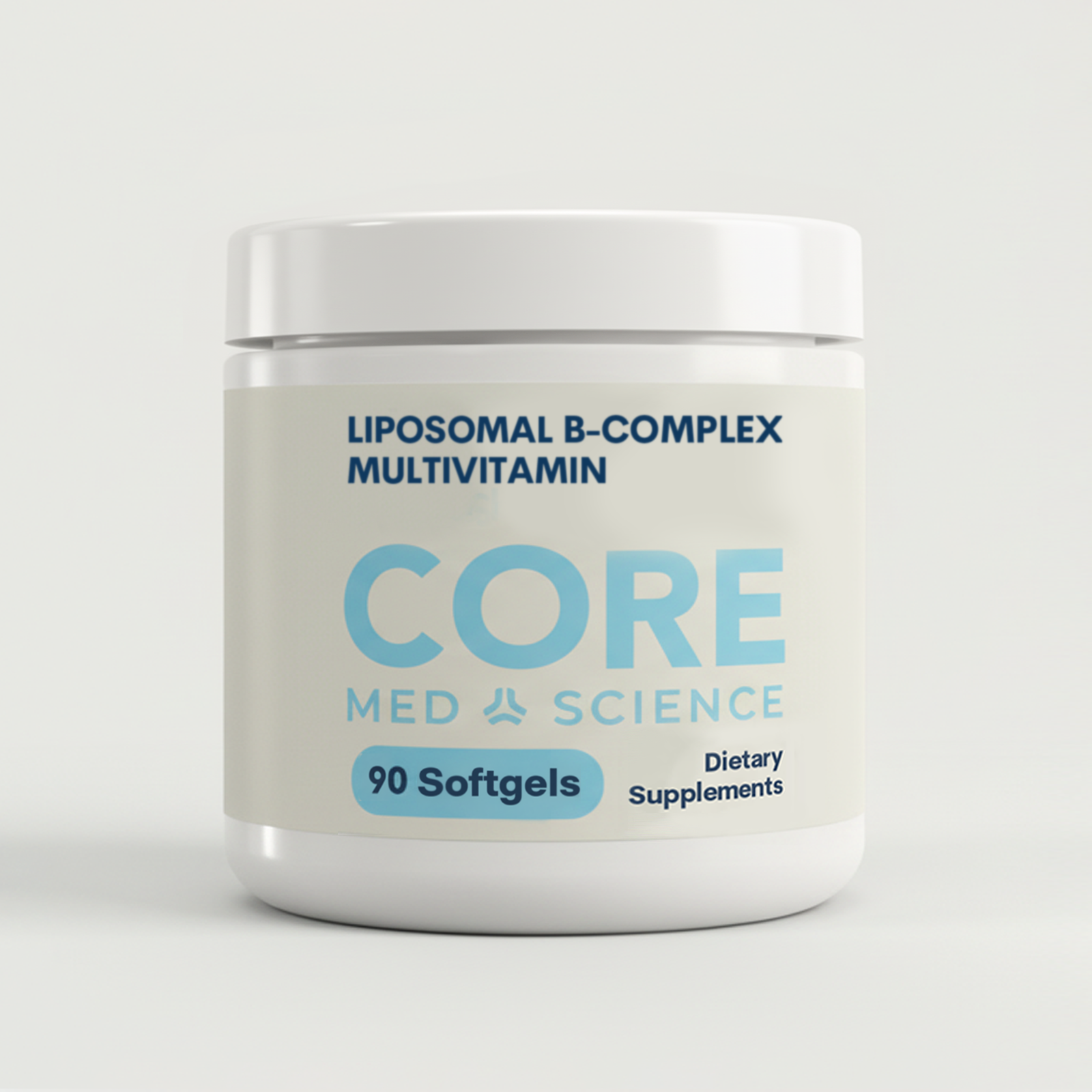
Our Liposomal Active B Complex is a liposomal B-complex multivitamin with minerals, designed to protect nutrients and support absorption as part of a balanced wellness routine.
What to Do Before You Buy
If fatigue is persistent, ask for a blood test covering iron status, vitamin D, and B12 before spending on supplements. That turns guesswork into a targeted decision and avoids the two most common mistakes: taking iron you don't need and expecting a B-complex to fix a sleep problem.
Persistent Fatigue: Warning Signs and When to See a Doctor
Persistent fatigue is tiredness that doesn't lift after rest, lasts for weeks, and interferes with normal life. That pattern deserves medical attention rather than another supplement.
See a doctor if you experience fatigue alongside shortness of breath, unexplained weight change, low mood lasting more than two weeks, or sleep that never feels restorative. Persistent fatigue can have causes, including thyroid problems, anaemia, and sleep disorders, that no lifestyle tweak will fix. According to NHS guidance on tiredness and fatigue, ongoing fatigue with these accompanying signs should be assessed by a clinician rather than self-treated.
This article covers lifestyle optimization, not diagnosis. If your tiredness fits that description, book an appointment.
Building Your Calmpulseco Energy Kit
The challenge most people face isn't knowing what to do, it's assembling the pieces so the routine happens on a busy week.
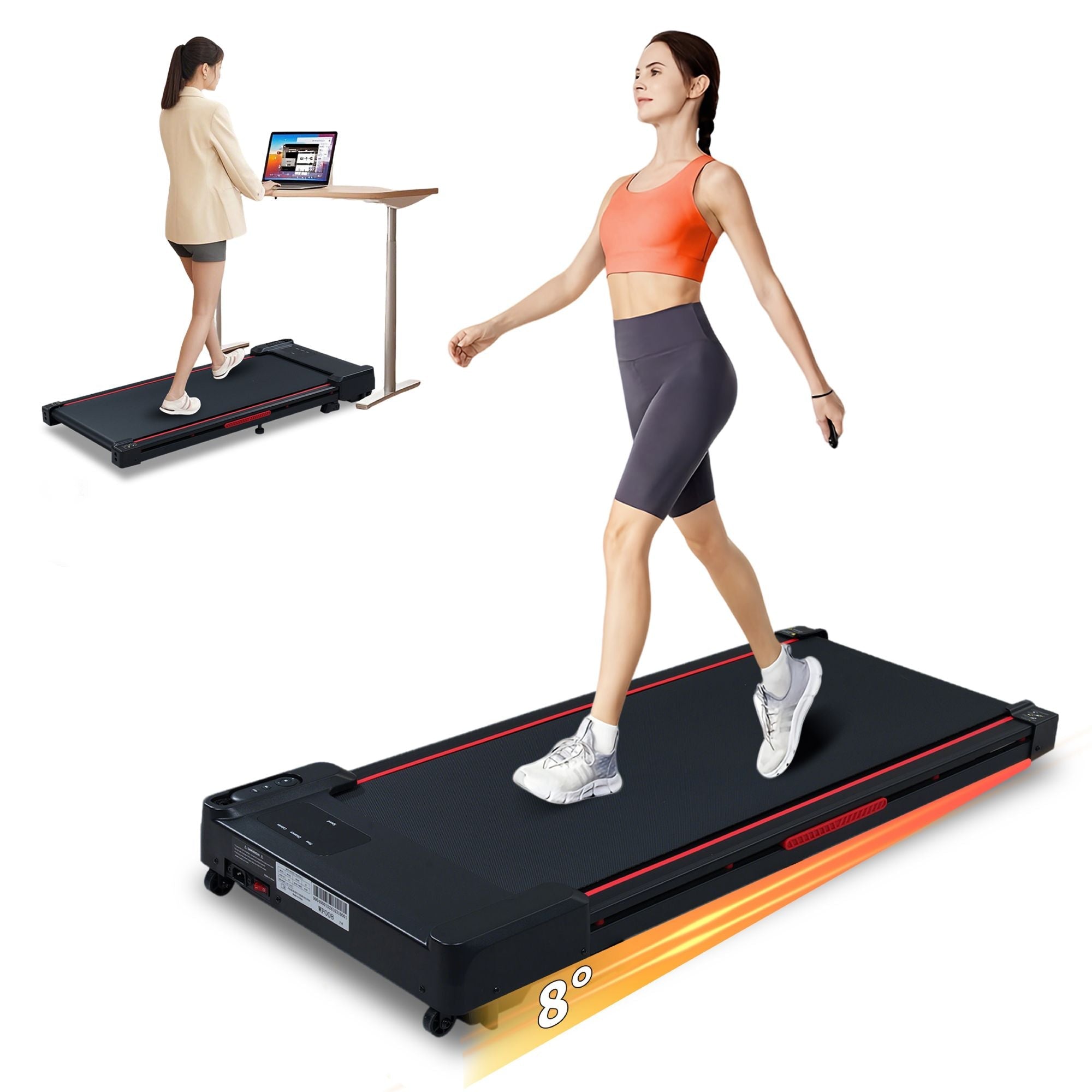
Calmpulseco curates the tools that make those habits easier to keep. Our walking pad treadmill turns a spare corner into a place for movement. Our fitness water bottle keeps water within reach through long days.
Get started with Calmpulseco and build a daily rhythm that holds your energy steady from morning to night.
Frequently Asked Questions
How do I boost my energy every day without relying on caffeine?
Build the basics first: a consistent sleep and wake time, a protein-rich breakfast, water through the morning, and short movement breaks every 60 to 90 minutes. Morning daylight within an hour of waking helps set your sleep-wake rhythm, which affects daytime alertness. Caffeine can still play a role, but timing matters. A coffee early afternoon can linger in your system and reduce sleep quality that night, which lowers your daily energy levels the next day. Keep caffeine before mid-afternoon and treat it as a supplement to these habits, not a replacement.
What should I eat to gain energy quickly when I'm tired?
Pair a fast carbohydrate with protein and fibre rather than eating sugar alone. An apple with a spoon of nut butter, Greek yoghurt with berries, or wholegrain toast with eggs gives you quicker fuel without the sharp crash that follows a sugary snack. If you have been skipping meals, the tiredness may simply be hunger. A balanced snack within 15 to 20 minutes usually restores focus faster than another coffee. Keep portions modest so digestion does not make you sluggish.
What are the best things to drink to boost energy naturally?
Water is the most underrated option. Even mild dehydration shows up as tiredness and poor concentration, so sip through the day rather than waiting for thirst. Unsweetened tea is a lower-caffeine option than coffee. A large capacity, leak-proof bottle is convenient to carry during the day. Avoid relying on energy drinks and sugary sodas, which spike blood sugar and leave you flatter an hour later.
Which vitamins to boost energy are actually worth taking?
B vitamins are involved in energy metabolism. A liposomal B-complex multivitamin with minerals is one option to consider. Vitamin D and iron matter too, but deficiency should be confirmed by a blood test rather than assumed. Supplements correct shortfalls; they do not override poor sleep or skipped meals. If fatigue is persistent despite good habits, get tested before adding more products. A doctor can tell you which vitamins to boost energy are relevant for you specifically.
Can sleep and exercise improve daily energy levels?
Yes, and they reinforce each other. Adults generally need seven to nine hours of sleep, and a consistent schedule matters as much as total hours. Regular physical activity, even a 20-minute walk, improves sleep quality and daytime alertness over time. A walking pad treadmill with an incline offers a way to add low-impact movement at home. Start with small, repeatable amounts rather than overhauling everything at once.
What drains energy from your body most often?
The usual culprits are short or irregular sleep, skipped meals and blood sugar swings, dehydration, long stretches of sitting, and unmanaged stress. Caffeine late in the day and alcohol in the evening quietly damage sleep quality, so the fatigue shows up the next afternoon. Smoking also reduces oxygen delivery and disrupts sleep. Track your day for a week, noting meals, water, movement, and how you feel at 10am, 3pm, and 8pm. Patterns usually emerge quickly and point to the one or two changes worth making first.