Cart
0
Last Updated: November 19, 2026
Quick Summary
Choose high performance fitness gear by judging it against four criteria: structural stability under load, material durability over repeated cycles, movement quality through the full range of motion, and adjustability for different bodies. Match the category to how you actually train, then test build quality in person before buying.
- Measure your floor area and subtract roughly a metre of clear working space around each machine.
- Start beginners with a mat, resistance bands, and one pair of adjustable dumbbells.
- Rock and twist a machine at the handles; a stable frame should not shift, creak, or lift a foot.
- Test equipment at or near the resistance you will actually use, since light loads hide tracking problems.
- Weigh total cost of ownership: delivery, maintenance, replacement parts, and warranty exclusions.
Ready to build a setup that lasts?Calmpulseco curates fitness gear, activewear, and supplements for performance and balance.
Shop Performance Gear
Table of Contents
- What High Performance Fitness Gear Actually Means
- How to Choose Home Gym Equipment That Fits Your Space
- The Best Exercise Equipment for Your Goals
- Durable Fitness Equipment: How to Test Build Quality
- Fitness Equipment for Beginners Without Wasted Spending
- Fit, Biomechanics, and the Gear You Wear
- Total Cost of Ownership: Price, Maintenance, and Warranty
- Building Your Calmpulseco Setup Step by Step
- Frequently Asked Questions
What High Performance Fitness Gear Actually Means
High performance fitness gear is equipment and apparel built to hold up under repeated, demanding use without losing stability, comfort, or function. We define it by four measurable criteria rather than marketing language, because the phrase "high performance" gets attached to almost everything sold online. Below, we break down what separates genuinely capable fitness gear from equipment that looks the part but fails under load.
The Four Performance Criteria That Matter
High performance gear can be judged against four criteria: structural stability under load, material durability over repeated cycles, movement quality through the full range of motion, and adjustability for different bodies. A weight rack that wobbles at heavy loads fails criterion one. A treadmill deck that flexes unevenly fails criterion three. These are the differences that show up months after purchase, not on the showroom floor.
Stability comes first because it governs safety. Durability determines total cost. Movement quality affects your joints. Adjustability decides whether the gear fits you or you fit the gear.
How to Choose Home Gym Equipment That Fits Your Space
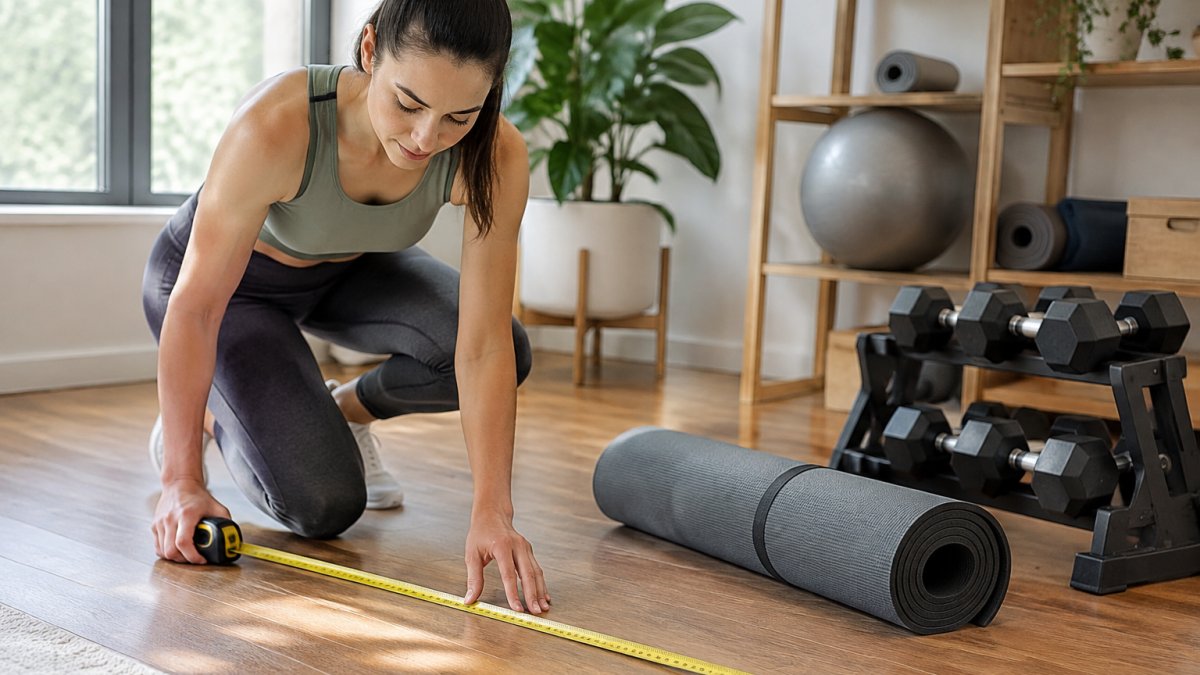
Start by measuring the room, not the equipment. A common mistake is buying a machine for its listed footprint and forgetting the clearance needed to load plates, mount a bench, or step off a treadmill safely.
Measuring Footprint Before You Buy
Measure your available floor area, then subtract a working zone around each machine: roughly a metre of clear space on the sides you load or mount from.
If space is genuinely tight, our guide to essential fitness equipment for small home gyms covers the pieces that earn their footprint in compact rooms.
The Best Exercise Equipment for Your Goals
The best exercise equipment for your goals is the category that matches how you actually train, not what looks most impressive in a showroom. Strength training builds load tolerance, cardio training builds aerobic capacity, and functional training builds movement quality under real conditions. Most people need a primary category and one supporting piece.
Strength, Cardio, and Functional Training Compared
| Category | Typical Gear | Space Needed | Best For |
|---|---|---|---|
| Strength training | Adjustable dumbbells, weight rack, bench | Medium | Building load tolerance and muscle |
| Cardio training | Treadmill, exercise bike, rowing machine | Medium to large | Aerobic capacity and calorie burn |
| Functional training | Kettlebells, bands, mat, foam roller | Small | Movement quality and versatility |
If your goal is a single training routine that covers most bases, start with adjustable dumbbells and a bench. If your goal is endurance, a rowing machine or exercise bike delivers smooth movement with a smaller footprint than most treadmills.
Durable Fitness Equipment: How to Test Build Quality
Durable fitness equipment is gear whose frame, joints, and contact surfaces survive years of repeated load without loosening, cracking, or losing alignment. You can test for this before buying, even in a shop, but you need a repeatable method rather than a quick visual once-over. The checklist below turns vague impressions into observable criteria you can compare across products.
A Repeatable In-Store Testing Checklist
Run the same sequence on every piece of equipment you evaluate, and record your findings so you can compare them side by side later.
- Inspect the frame and welds. Look for uniform, smooth weld beads without porosity, spatter, or undercut. Rough or uneven welds often signal rushed manufacturing and can become crack initiation points under cyclic loading. Check that powder coating or paint is evenly applied and free of bubbles that could hide corrosion.
- Rock and twist the machine. With the machine assembled and on a level floor, push it side to side and front to back at the handles or rails. A stable frame should not shift, creak, or lift a foot. If it does, the base geometry or joint tolerances are suspect.
- Load the movement pattern. Add resistance or weight and perform the actual exercise the machine is designed for. Smoothness under load matters more than smoothness unloaded. Listen for grinding, clicking, or uneven resistance through the full range of motion.
- Check alignment and tracking. On cable machines, verify that the cable runs centered in the pulleys and does not rub. On treadmills, check that the belt tracks centered at both low and high speeds. On bikes, confirm that the pedals and crank rotate without lateral play.
- Inspect contact surfaces and fasteners. Padded seats and grips should feel firm and dense, not spongy or thin. Check that bolts, nuts, and quick-release pins are accessible and that locking mechanisms engage positively. Look for exposed threads or sharp edges near moving parts.
- Verify specifications against your body and use. Ask for weight capacity, user height range, and maximum resistance. A machine rated well above your body weight has headroom for dynamic movement, but confirm that the adjustment range actually fits your limb lengths and that the lowest resistance setting is light enough for warm-up or rehabilitation work.
Distinguishing Manufacturer Claims from Independent Evidence
Load ratings and durability claims are sometimes based on internal testing rather than independent verification.
Watch out: testing a machine only with light resistance can hide tracking and alignment problems that appear under heavier loads, so always test at or near the resistance you will actually use.
For a practical set of tests you can run on apparel and soft goods, our breakdown of the signs your activewear is low quality walks through what to look for before you spend.
Fitness Equipment for Beginners Without Wasted Spending
Beginners waste money on two things: equipment that duplicates a movement they already own, and machines too advanced for their current training routine. A better approach is to buy one piece per movement pattern and add only when you outgrow it.
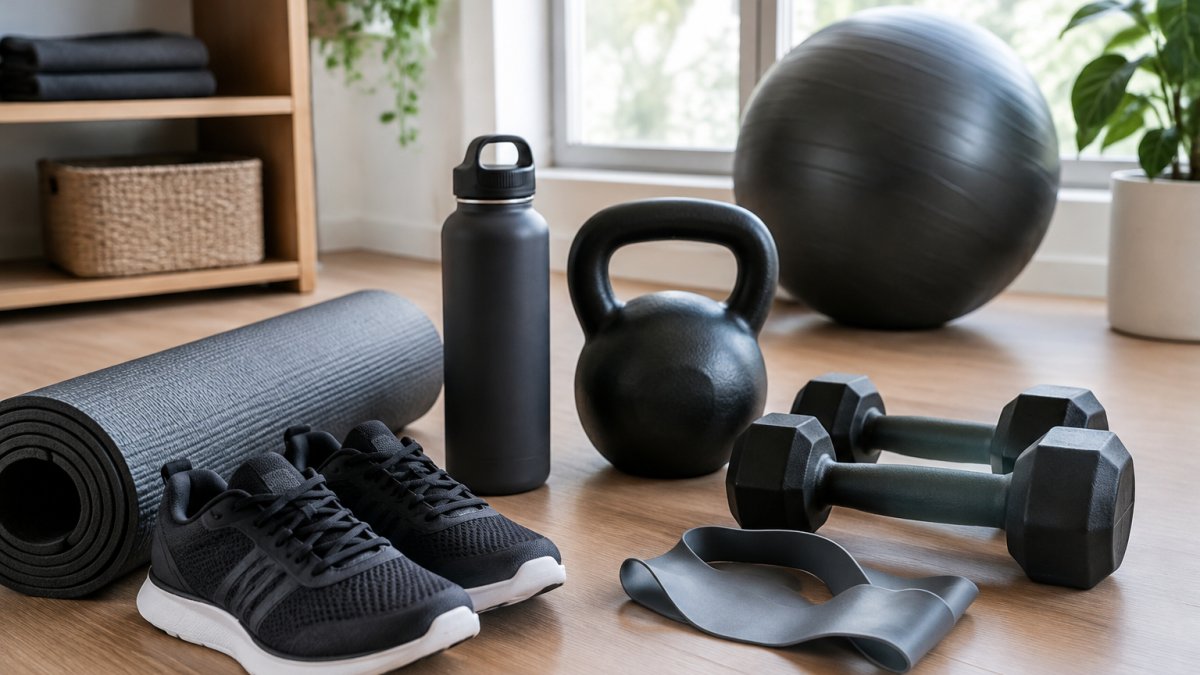
Start with a mat, a set of resistance bands, and one pair of adjustable dumbbells. That combination covers pressing, pulling, squatting, and core work. Add cardio equipment once your routine is consistent, not before.
Watch out: buying a full rack and barbell set before you have a consistent routine is the most common way beginners lose money. The gear sits unused and takes up the space you needed for a bench.
Fit, Biomechanics, and the Gear You Wear
Fit and biomechanics matter as much as the equipment itself, because apparel that restricts your range of motion changes how you move under load. A high-support fitness bra that shifts during running forces compensation through the shoulders.
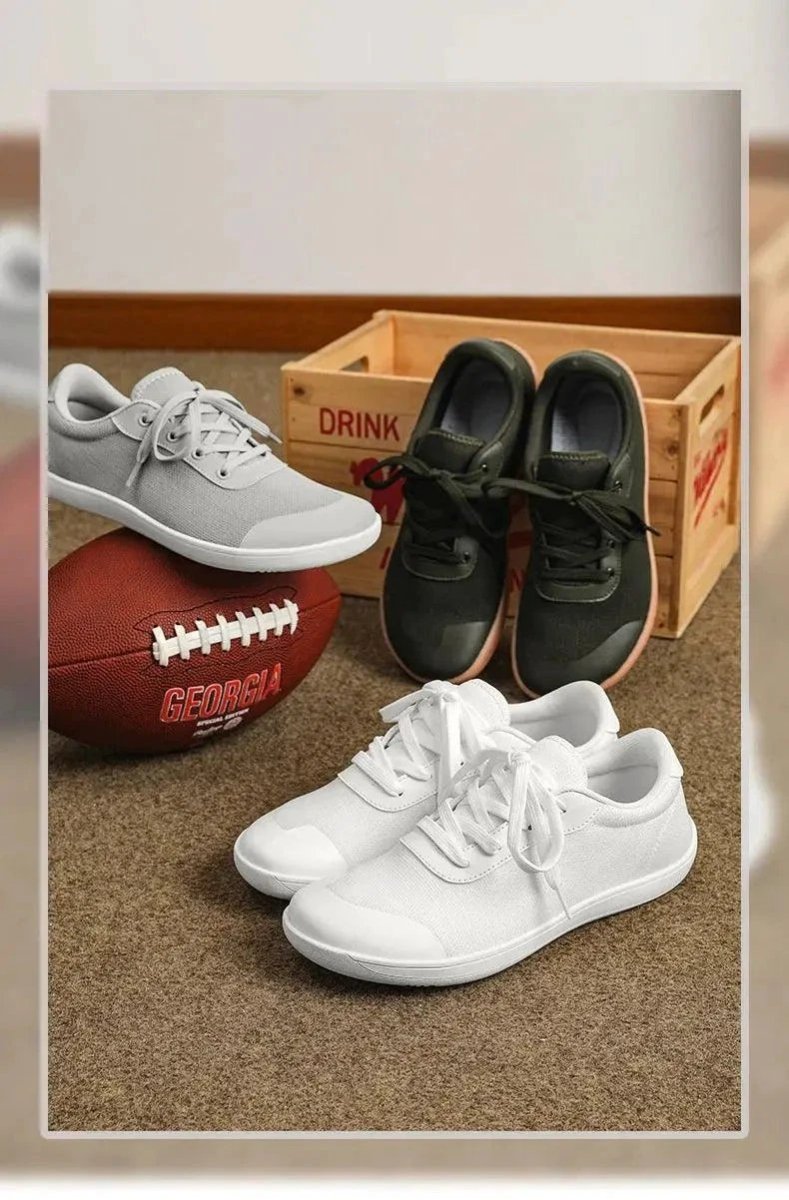
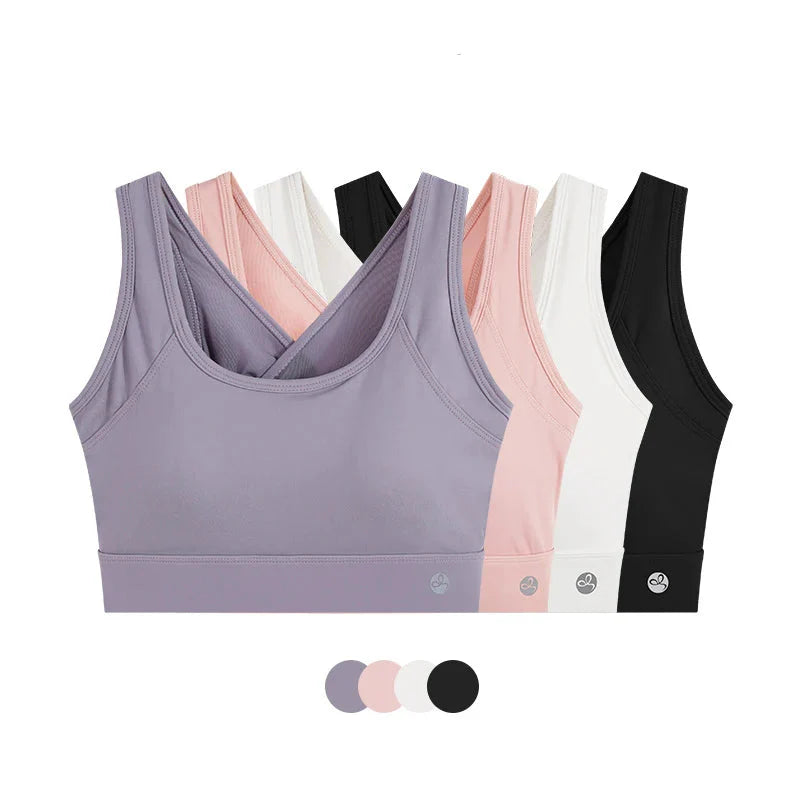
For footwear, a wide-toe design with a lightweight responsive sole supports a more natural stride and reduces pinching on longer efforts. Our MANDOTOS breathable wide toe mesh running shoes pair a breathable mesh upper with a durable rubber outsole for running and everyday wear. For training sessions, a high-support padded fitness bra keeps everything secure through intense gym workouts and running. If you run in high-waisted leggings, this comparison of which high-waisted running leggings stay up best is worth reading before you buy.
Total Cost of Ownership: Price, Maintenance, and Warranty
Total cost of ownership is the purchase price plus delivery, installation, routine maintenance, replacement parts, and the cost of replacing gear that fails early. A cheaper treadmill with a short warranty often costs more over five years than a better-built machine with serviceable parts, but the difference only becomes visible when you break the costs down.
Breaking Down the Real Costs
Start with the sticker price, then add the costs that are easy to overlook:
- Delivery and installation. Heavy cardio machines and large racks often require special delivery, and some manufacturers require professional assembly to validate the warranty. Ask whether delivery includes placement in the room and whether installation is included or extra.
- Routine maintenance. Treadmills need belt lubrication and tension checks; rowers need chain or strap inspection; bikes need seat and pedal tightening. Estimate the time and cost of consumables such as lubricant, belts, and batteries over the expected service life.
- Replacement parts. Check whether belts, cables, pads, and bearings are available as individual parts and how long the manufacturer commits to stocking them. A machine with proprietary parts that are discontinued after a few years can become unusable even if the frame is sound.
- Energy use. Motorized cardio equipment draws electricity, and older or poorly specified motors can be less efficient. For home use the difference is usually modest, but for shared or commercial facilities it adds up.
Comparing Price with Value
We recommend weighing price against these factors rather than comparing sticker prices alone. A connected device earns its cost only if you use the data it collects to adjust your training routine. Before buying, ask three questions: what does routine maintenance involve, are replacement parts available, and what does the warranty actually cover? If the answers are vague, assume the worst-case cost and compare that against a better-documented alternative.
Building Your Calmpulseco Setup Step by Step
Build your setup in the order you will actually use it.
Calmpulseco's curated selection offers activewear, fitness equipment, and nutritional supplements, with tools for relaxation and focus. And if you just want good gear without joining a community, that is fine too.
Choosing high performance fitness gear comes down to measuring your space, matching equipment to your actual training goals, and testing build quality before you commit.
Frequently Asked Questions
What should I look for when buying fitness gear?
Start with four checks: weight or user capacity, frame and material quality, adjustability, and warranty length. Then confirm the footprint fits your room with clearance for movement. High performance fitness gear is judged on how it holds up under repeated use, not on how it looks in a showroom.
How can I tell whether exercise equipment is durable?
Look at the joints, the bearings, and the warranty. Ask what the warranty covers, since coverage terms show where a maker expects failure.
How much should I spend on fitness gear?
Set your budget around total cost of ownership rather than sticker price. Add delivery, assembly, matting, and any replacement parts over five years. A cheaper treadmill with a one-year parts warranty can cost more than a mid-range model that lasts a decade. For beginners, spend most of the budget on one or two pieces you will use weekly, such as adjustable dumbbells or a solid bench, and add cardio later once the habit sticks.
What equipment do beginners need to start working out?
A pair of adjustable dumbbells, a flat bench, and a mat cover most strength and mobility work for the first six months. Add a resistance band set for warm-ups and a smart watch or fitness tracker if you want to log heart rate and calorie burn. Skip large cardio machines until you know you will use them. Fitness equipment for beginners should be easy to store and simple to adjust, so nothing gets in the way of showing up.
How do I choose gym equipment for my fitness goals?
Match the category to the goal. Strength training calls for free weights, a rack, and a bench. Cardio training points to a treadmill, exercise bike, or rowing machine. Functional training needs kettlebells, bands, and open floor space. Write down your three main training goals, then buy the one category that serves two of them.
Does high performance fitness gear need to cost more?
Not always, but the cheapest option usually trades away something: weight capacity, warranty, or replacement part availability. Compare specifications line by line rather than judging by price.