Cart
1

Last Updated: November 4, 2026
Quick Summary
To find high quality wellness brands, start with the Supplement Facts panel rather than the front label, checking dose, form, and full ingredient amounts. Then verify third-party testing seals in the certifier's own database, confirm sourcing and lot-specific traceability documents, and compare cost per serving instead of sticker price.
- Blends listing proprietary formulas without amounts are a warning sign you cannot judge.
- Magnesium oxide is cheap and poorly absorbed, while magnesium glycinate costs more and is gentler on the stomach.
- A real certificate lists the product, the batch, and the tests run.
- Check that a CoA lot number matches your bottle and the lab is independent of the brand.
- Compare cost per serving, subscription terms, and return policy rather than sticker price.
Table of Contents
- Why Finding High Quality Wellness Brands Takes More Than a Pretty Label
- How to Choose Quality Vitamins and Supplements: A 7-Point Checklist
- How to Know Which Supplement Brands Are Good: Evidence Over Hype
- Third-Party Tested Supplements: How to Verify the Seal Is Real
- Ingredient Sourcing and Supply Chain Transparency
- Red Flags in Wellness Marketing That Should Send You Elsewhere
- What Top Wellness Brands Have in Common (and What They Don't)
- Build Your Shortlist at Calmpulseco
- Frequently Asked Questions
Why Finding High Quality Wellness Brands Takes More Than a Pretty Label
Most wellness shelves are built to sell a feeling, not a formula. Matte bottles, calm colors, a word like "clean" in a serif font, and suddenly a supplement feels trustworthy. None of that tells you what is inside the capsule.
That is the gap this guide closes. Knowing how to find high quality wellness brands comes down to reading what is verifiable and ignoring what is decorative.
Below, we walk through a seven-point checklist you can run on any brand. It works for vitamins, activewear, and fitness equipment alike.
The core idea: a label is a marketing document. The panel on the back is the legal one. Trust the second.
How to Choose Quality Vitamins and Supplements: A 7-Point Checklist
Start with the facts panel, not the front label. That single habit filters out most weak products before you spend a cent.
Here is a checklist for vetting any product:
- Read the Supplement Facts panel for dose and form
- Check whether the form matches a realistic dose
- Look for third-party testing you can verify
- Trace where the ingredients come from
- Scan for red-flag marketing language
- Compare cost per serving, not per bottle
- Check whether the brand answers hard questions openly
Work through those seven and you will separate serious formulators from repackagers. The rest of this guide takes each one in turn.
Read the Supplement Facts Panel Before Anything Else
The panel tells you three things fast: what is in the product, how much, and in what form. If a brand hides any of those, move on.
Look for a full breakdown per ingredient. Blends that list "proprietary formula" without amounts are a warning sign. You cannot judge a dose you cannot see.
Check the serving size too. A bottle claiming 90 servings that actually delivers 30 is a quiet price hike. For a real example of a clear, readable ingredient list, you can examine a supplement with a full facts panel and see how the information should be laid out.

Match the Form to the Dose
Form matters as much as amount. The same nutrient can arrive in forms your body absorbs well or poorly.
Magnesium is the classic case. Magnesium oxide is cheap and poorly absorbed. Magnesium glycinate costs more and is gentler on the stomach. Neither is "bad," but they serve different buyers.
Ask two questions of any product:
- Does the form match the stated goal?
- Is the dose high enough to matter?
A capsule with a trace amount of a premium ingredient is still a weak product. Look for both together, never one alone.
How to Know Which Supplement Brands Are Good: Evidence Over Hype
Good brands talk about studies. Great brands tell you which studies and let you check them.
When a claim appears, ask what backs it. "Supports immune health" is a permitted structure-function claim, not proof of anything. That distinction matters. The FDA guidance on structure-function claims explains how loosely these statements are regulated compared with drug claims.
Evidence-led brands tend to do three things:
- Cite specific research rather than vague "clinical studies"
- State what a product does not do
- Publish ingredient amounts so you can compare against published research
If a brand cannot tell you why an ingredient is dosed the way it is, that is your answer. Move on.
Third-Party Tested Supplements: How to Verify the Seal Is Real
The seal only means something if you confirm the certifier actually tested that product.
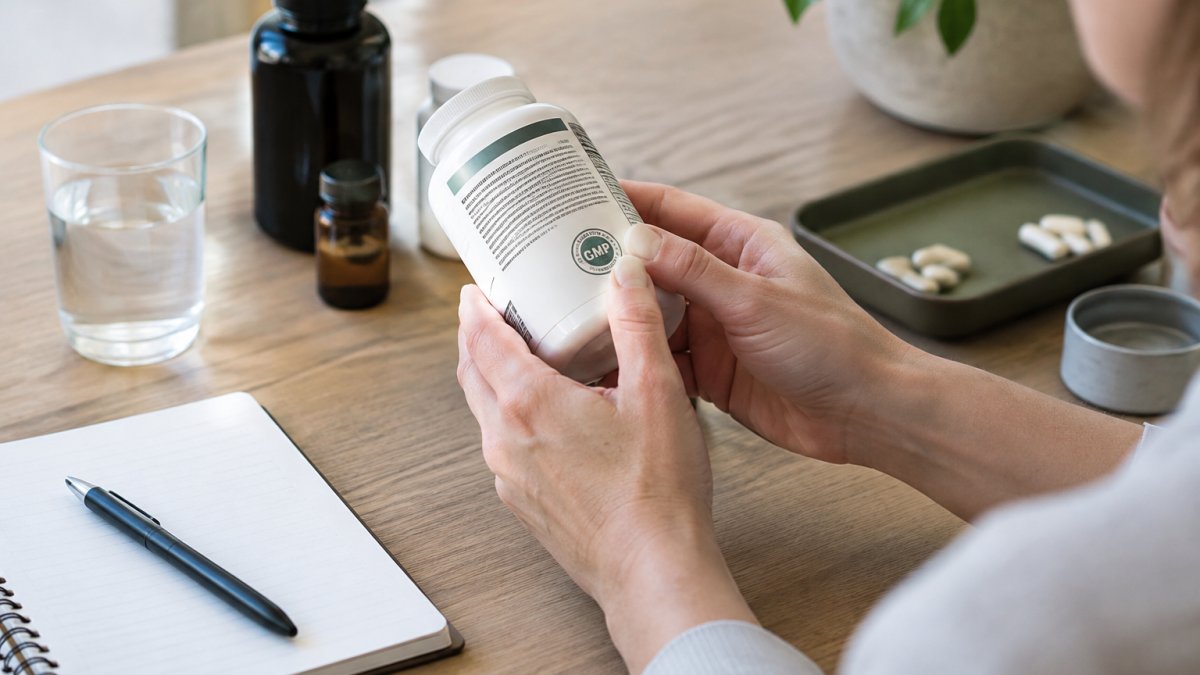
Here is the part most guides skip. A logo on a label is easy to print. Verification is not.
How to check a seal in practice:
- Note the certifier name and the product's lot or batch number
- Search the certifier's own website for that product
- Confirm the certificate is current, not expired
- Check whether the test covers potency or only contamination
A real certificate lists the product, the batch, and the tests run. If the brand cannot point you to that, treat the seal as decoration. You can check a multivitamin product page for testing details to see what proper disclosure looks like in practice.

Ingredient Sourcing and Supply Chain Transparency
Sourcing is where premium claims are most easily tested. A brand that cannot name where an ingredient comes from cannot vouch for its purity.
The practical test is not whether a brand has a sourcing story. It is whether that story can be checked. Most quality-focused brands will disclose some combination of the following, and each item is something you can ask for directly:
- Country or region of origin for each key ingredient, not just 'globally sourced'
- Manufacturing location for the finished product, including the facility name or at least the country and whether it is third-party audited
- Supplier standards such as a published supplier code of conduct, audit frequency, or a named certification for the facility (for example, NSF, SQF, or ISO 22000 for food and supplement manufacturing)
- Traceability documentation such as a certificate of analysis (CoA) tied to a specific lot number, or a supplier declaration of origin
- Batch testing results published or available on request, ideally covering identity, potency, and contaminants
A common pattern among serious formulators is to publish a CoA per lot on the product page or in a portal.
Watch out: a 'premium sourced' badge or a farm photo is not traceability. If the brand cannot tell you the country of origin for a key ingredient or point you to a lot-specific document, treat the sourcing claim as unverified.
Sourcing questions also expose how a brand handles problems. Ask what happens when a supplier fails an audit or a batch tests out of spec.
This is also where category differences matter. For supplements and foods, the relevant documents are CoAs, supplier audits, and facility certifications.
Red Flags in Wellness Marketing That Should Send You Elsewhere
Watch out: the loudest claims are usually the thinnest. When a label promises a cure, a fix, or a transformation, it is selling hope, not a product.
Common red flags:
- Cure or disease claims on a supplement
- "Proprietary blend" with no amounts listed
- Fake urgency and countdown timers on every page
- Before-and-after photos with no context
- No contact details, no address, no real company behind it
- Reviews that all sound identical
One more: a brand that will not answer a direct email about testing. Silence is a red flag too.
Quality-vetting habits carry across categories. The same instincts that help you judge a supplement help you judge gear, which is why our guide on how to spot low-quality activewear is worth a read before your next purchase.
What Top Wellness Brands Have in Common (and What They Don't)
Top wellness brands share a few unglamorous traits. They publish ingredient amounts. They name their certifiers and let you verify them.
What they do not share is a look.
Most guides stop there. The more useful move is to turn those traits into a reusable checklist you can run across categories, because the same instincts that vet a supplement also vet activewear, personal care, and fitness services. Here is a category-neutral framework:
1. Claims are specific and checkable. A quality brand says 'third-party tested by NSF for heavy metals and potency' rather than 'lab tested.' It names the certifier, the test, and the lot. If a claim cannot be checked, it is decoration.
2. Certifications can be verified in a database. Note the certifier and the product or facility identifier, then search the certifier's own site.
**3.
4. The brand answers hard questions. Send one email asking for a CoA or a sourcing document.
5. Value is transparent. Compare cost per serving, cost per use, subscription terms, and return policy rather than sticker price.
6. Personal fit is addressed. Quality includes whether the product suits your health needs, dietary requirements, budget, and accessibility needs.
**7.
Run this framework against any brand in any category and the answer usually becomes obvious fast.
| Check | What Good Looks Like | Why It Matters |
|---|---|---|
| Claims | Specific, named, checkable | Separates evidence from marketing |
| Certifications | Verifiable in certifier database | Proves independent testing |
| Sourcing | Named origins, traceability docs | Reduces contamination and greenwashing risk |
| Responsiveness | Answers hard questions with documents | Shows accountability |
| Value | Transparent cost per serving or use | Reveals true cost |
| Personal fit | Addresses needs, budget, accessibility | Quality is not one-size-fits-all |
| Red flags | None of the common warning signs | Protects against misleading marketing |
A final pattern worth noting: top brands tend to be boring about evidence and loud about nothing. They do not promise transformations. They publish documents.
Build Your Shortlist at Calmpulseco
Vetting gets easier when you have a shortlist of products you already trust. That is the point of a curated range: fewer options, each one checked against the same standard.
Our supplements are chosen for clear ingredient lists and honest dosing. Our activewear is picked for technical comfort that holds up to daily wear. And our relaxation tools support the recovery side of a demanding schedule. You can browse our supplements and vitamins range to start building your own shortlist.
The challenge is simple: pick one product you already own and run the seven-point check on it today. If it fails, you have learned something worth more than the bottle cost.
Get started with Calmpulseco and build a wellness routine around products that earn their place.
Frequently Asked Questions
What are some of the best wellness brands?
There is no single best wellness brand, because quality depends on the product category. A brand that makes excellent activewear may not make supplements worth buying, and the reverse is also true. Instead of chasing a list, judge each brand on the same criteria: a clear ingredient panel, independent certification, honest claims, and a supply chain you can trace. A brand that publishes this information openly is usually a safer bet than one that only shows lifestyle photos and testimonials.
Are third-party tested supplements better?
Third-party tested supplements are generally a better choice because an outside lab confirms what the label claims, rather than the manufacturer grading its own work. Look for a certificate of analysis you can request, and check that the testing lab is independent of the brand. Testing does not guarantee a product suits you, but it does reduce the risk of underdosing, contamination, or fillers. If a brand cannot or will not share test results, treat that as a reason to keep looking.
How can you tell whether a supplement brand is reputable?
Start with the label: full ingredient names, exact doses, and no proprietary blends hiding amounts. Then check for independent certification and a lot number you can trace. Read the company's own site for sourcing details and manufacturing standards, and compare what they claim with what the certification actually covers. A reputable brand answers questions directly and does not rely on vague phrases like 'clinically proven' without a citation. Consistency across all of these signals is what separates a trustworthy brand from a loud one.
What should you look for when choosing wellness products?
Look for four things: transparency, testing, fit, and value. Transparency means full ingredient and material disclosure. Testing means independent verification, not just a brand's own assurance. Fit means the product matches your routine, whether that is activewear you will wear five days a week or a supplement you will take daily. Value means comparing cost per serving or cost per wear rather than the sticker price alone. A product that scores well on all four is usually worth the money, and one that fails any of them rarely is.